

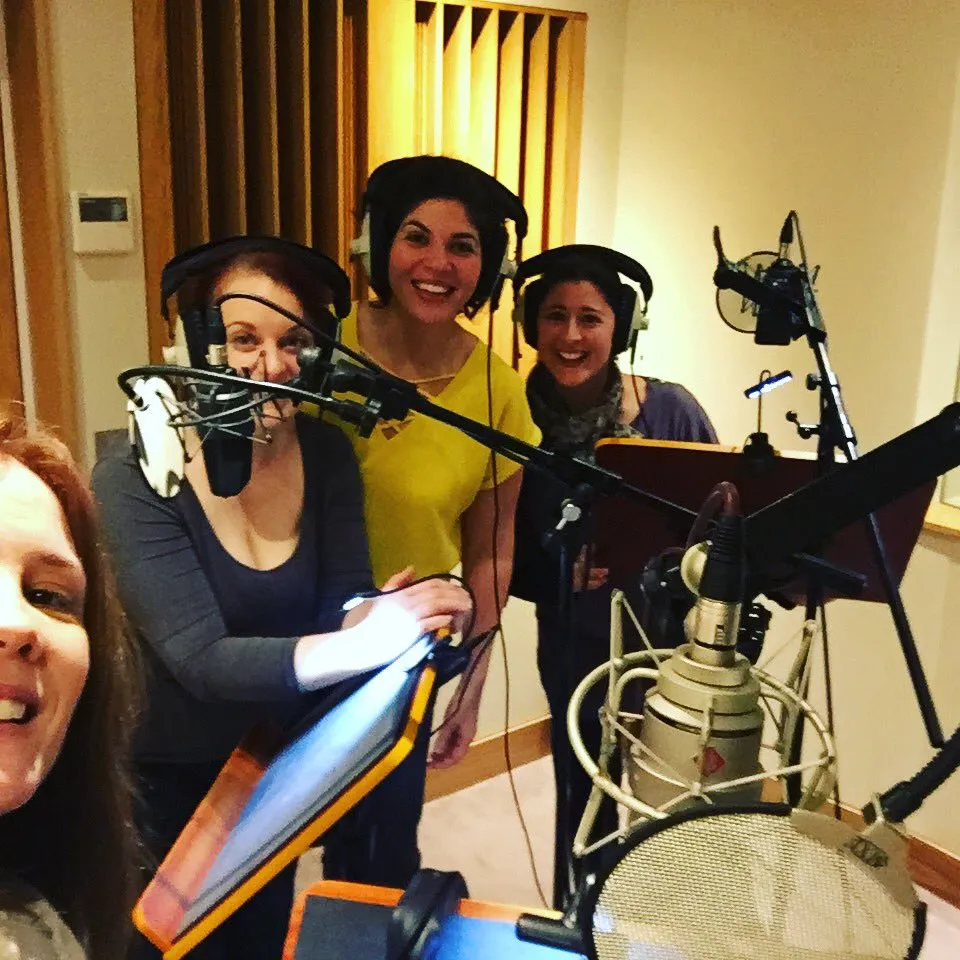
Long-Form Audio Drama is reclaiming a place in modern storytelling by inviting audiences to slow down, listen closely, and imagine deeply. In a world dominated by short videos, scrolling feeds, and constant notifications, something unexpected is happening. Listeners are choosing hour-long episodes, serialized narratives, and richly layered soundscapes that demand attention rather than fragmentation.
This resurgence is not nostalgia for old radio plays. It is a response to digital fatigue. People are craving stories that unfold patiently, characters who grow over time, and worlds that exist entirely in sound. Audio drama meets that need in a way few other formats can.
From Golden Age Radio to Modern Headphones
Audio drama is not new. Decades ago, families gathered around radios to follow serialized adventures, mysteries, and romances. Those stories relied on voice, music, and sound effects to spark imagination. When television rose, audio drama faded into the background.
Today, technology has brought it back in a new form. Podcasts, streaming platforms, and smart devices have transformed how audio is consumed. Instead of living rooms, stories now travel through earbuds on commutes, walks, and late nights. The intimacy of audio has become even more personal.
What makes modern audio drama different is scale and ambition. Creators are no longer constrained by broadcast schedules or advertising slots. They can tell expansive stories over dozens of episodes, allowing narratives to breathe.
Why Long-Form Storytelling Works in Audio
Long-form storytelling thrives in audio because sound invites imagination rather than replacing it. Without visuals, listeners actively participate in building the world. A whispered line, a distant siren, or a pause can carry emotional weight that visuals sometimes blunt.
This engagement creates a powerful bond between listener and story. Characters feel closer because they live in the listener’s head. Emotional moments linger because they are experienced internally.
Listeners often describe audio dramas as companions rather than content. They follow characters over weeks or months, forming relationships that feel surprisingly real. This depth is difficult to achieve in short formats.
The Emotional Power of Voice and Sound
Voice acting is the backbone of audio drama. A skilled performer can convey vulnerability, tension, or joy through subtle shifts in tone. When supported by thoughtful sound design, the result is immersive storytelling that feels cinematic without images.
Sound designers play an equally critical role. Footsteps, weather, ambient noise, and music establish place and mood. In long-form productions, these elements evolve alongside the story, reinforcing character arcs and themes.
A well-produced series can make listeners forget they are listening. They feel present in the scene, experiencing events as if they are unfolding around them.
Long-Form Audio Drama and Modern Attention Spans
There is a common belief that attention spans are shrinking. The success of long-form audio drama challenges that assumption. People are not unwilling to focus. They are unwilling to focus on content that does not reward their attention.
When a story is compelling, listeners commit. They queue episodes, discuss theories, and recommend series to friends. The length becomes a feature, not a barrier.
This dynamic mirrors the rise of binge-worthy television. Long-form audio offers a similar experience, but with greater flexibility. Listeners can engage while driving, exercising, or resting, making it easier to fit into daily life.
Trust, Expertise, and EEAT in Audio Storytelling
EEAT principles are especially relevant in audio drama, where trust is built through consistency and craft. Listeners invest significant time, and they expect quality in return.
Expertise shows in strong writing, believable dialogue, and coherent pacing. Authority grows as creators deliver on narrative promises and respect their audience’s intelligence. Trust emerges when stories are completed thoughtfully rather than abandoned.
Successful creators understand that listeners are not passive. They notice plot holes, inconsistent characterization, and rushed endings. Long-form formats leave little room for shortcuts.
The Role of Research and Authenticity
Authenticity strengthens immersion. Whether a story is set in a historical period, a futuristic world, or a specific profession, research matters. Accurate details ground the narrative and build credibility.
A crime audio drama that consulted legal professionals and forensic experts gained praise for realism. Listeners felt the stakes more intensely because the world felt believable.
This commitment to accuracy reflects respect for the audience. It signals that the creators take their craft seriously.
Technology Enabling the Audio Drama Renaissance
Advances in recording technology and distribution have lowered barriers to entry while raising audience expectations. High-quality microphones, editing software, and sound libraries are more accessible than ever.
At the same time, platforms have emerged that support serialized audio fiction. Algorithms recommend shows based on listening habits, helping niche stories find dedicated audiences.
This ecosystem allows independent creators to compete with larger studios, provided they deliver compelling narratives.
Monetization Without Breaking Immersion
One challenge for long-form audio drama is monetization. Interruptive ads can disrupt immersion, undermining emotional impact. Creators have experimented with alternative models to preserve narrative flow.
Listener support, subscriptions, and branded storytelling are increasingly common. When audiences value a story, they are often willing to support it directly.
This relationship reinforces trust. Listeners feel like patrons rather than targets, and creators gain creative freedom.
Community and Shared Listening Experiences
Audio drama communities are vibrant and engaged. Fans discuss episodes, analyze character motivations, and speculate about future plotlines. Social media and forums extend the story beyond the audio itself.
This communal aspect deepens attachment. Listening becomes a shared ritual, even when experienced individually. Creators who engage respectfully with their audience strengthen loyalty.
Some series have even incorporated listener feedback into later seasons, creating a sense of collaboration without sacrificing narrative integrity.
Long-Form Audio Drama as a Creative Playground
For writers, long-form audio drama offers unique creative freedom. Without visual constraints, stories can shift locations instantly, explore internal monologues, and experiment with structure.
Nonlinear timelines, unreliable narrators, and intimate character studies flourish in audio. The medium encourages bold storytelling choices that might be risky elsewhere.
Many creators describe audio drama as liberating. It allows them to focus on story and emotion rather than production spectacle.
Accessibility and Inclusivity Through Audio
Audio drama is inherently accessible. It does not require screens, making it inclusive for visually impaired audiences and those seeking screen-free entertainment.
Stories can reach listeners across cultures and geographies with minimal localization. Voice and sound transcend many barriers.
This accessibility expands audience reach and reinforces the cultural value of the medium.
Education, Empathy, and Social Impact
Beyond entertainment, long-form audio drama has educational and social potential. Stories exploring mental health, social justice, or historical events can foster empathy and understanding.
Because listeners inhabit characters’ perspectives, complex issues feel personal rather than abstract. This emotional engagement can shift perceptions more effectively than informational content alone.
Creators who handle sensitive topics responsibly contribute meaningfully to cultural conversations.
Production Challenges Behind the Scenes
Creating long-form audio drama is demanding. Writing, casting, recording, editing, and sound design require time and coordination. Maintaining quality across many episodes is a significant challenge.
Creators must balance ambition with sustainability. Burnout is a real risk, especially for small teams. Successful projects plan carefully, setting realistic scopes and timelines.
Listeners may not see this work, but they feel the results in polished storytelling.
The Listener’s Role in Sustaining the Medium
The growth of audio drama depends on listeners who support creators, share stories, and value deep storytelling. Word of mouth remains one of the most powerful discovery tools.
When listeners commit to a series, they become part of its ecosystem. Their engagement validates the time and care invested in long-form narratives.
This mutual relationship strengthens the medium as a whole.
Long-Form Audio Drama in a Multiplatform World
Audio drama increasingly intersects with other media. Some stories expand into novels, games, or screen adaptations. Others remain audio-only by choice, preserving intimacy.
These crossovers demonstrate the strength of well-crafted narratives. A story that resonates in audio often translates elsewhere, but its origin remains special.
Audio-first storytelling encourages creators to prioritize narrative substance over spectacle.
The Future Shaped by Listening
The continued rise of Long-Form Audio Drama suggests a cultural shift toward intentional listening. In a noisy digital environment, sound-focused storytelling offers refuge and connection.
As more creators experiment and audiences grow, the medium will continue to evolve. Production values will rise, narratives will diversify, and new voices will emerge.
What remains constant is the human desire for stories that unfold with care, reward attention, and respect imagination.
By centering voice, emotion, and time, audio drama proves that deep storytelling does not require screens or visuals. It requires trust between storyteller and listener, built one episode at a time.
In that quiet exchange, stories find space to grow, and listeners find themselves returning again and again, eager to hear what happens next.
Read also :-