

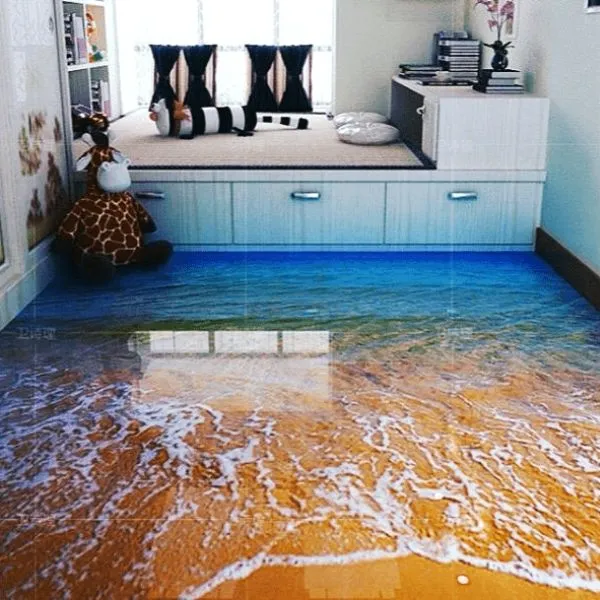
Epoxy flooring for homes has become one of the most popular modern flooring solutions for homeowners who want durability, style, and easy maintenance in one package. Unlike traditional flooring materials such as tiles or hardwood, epoxy creates a seamless, glossy surface that protects the underlying floor while giving your home a sleek and contemporary look.
Many homeowners first discover epoxy flooring while renovating garages or basements, but today it’s being used in living rooms, kitchens, and even bedrooms. The reason is simple: epoxy flooring is strong, versatile, and visually impressive.
Imagine walking into a living room where the floor reflects light like polished marble but is far more resistant to stains, scratches, and moisture. That’s the experience epoxy flooring delivers. Over the last few years, interior designers and home improvement experts have increasingly recommended epoxy floors for modern residential spaces.
This guide explains everything you need to know—from benefits and design ideas to installation and maintenance—so you can decide if epoxy flooring is the right choice for your home.
What Is Epoxy Flooring?
Epoxy flooring is a surface created by mixing resin and hardener, which chemically react to form a rigid plastic material. Once applied to concrete or another surface, it cures into a strong, durable coating that bonds tightly with the floor beneath.
The result is a smooth and seamless finish that can withstand heavy use, chemicals, moisture, and impact. Because of these properties, epoxy floors were originally used in industrial buildings, factories, and warehouses.
However, with improvements in design options and finishes, epoxy flooring has entered the residential market and quickly gained popularity among homeowners.
Unlike tiles or laminate flooring, epoxy does not have seams where dirt or moisture can collect. This makes it easier to clean and maintain, which is one of the biggest reasons homeowners choose it.
Why Homeowners Are Choosing epoxy flooring for homes
Homeowners today want flooring that is both practical and attractive. Epoxy flooring meets both of these requirements.
Durability is one of the biggest advantages. Epoxy coatings are extremely strong and can last for many years without cracking or peeling when installed correctly.
Another reason people prefer epoxy floors is their resistance to stains and chemicals. Spilled oil, water, cleaning products, or food stains can usually be wiped away without leaving marks.
The glossy surface also reflects light, which makes rooms appear brighter and more spacious. This feature is especially useful in basements or garages where natural lighting may be limited.
Many homeowners also appreciate the modern aesthetic epoxy floors provide. The smooth finish can be customized with colors, flakes, or metallic effects to create unique designs that suit any interior style.
Types of Epoxy Flooring Used in Residential Spaces
Epoxy flooring is not a one-style solution. There are several types that homeowners can choose from depending on their design preferences and usage requirements.
Solid color epoxy is one of the most common options. It creates a clean, uniform appearance that works well in garages, kitchens, and laundry rooms.
Metallic epoxy flooring is becoming increasingly popular in modern homes. This type uses special pigments to create swirling patterns that resemble marble, granite, or flowing water. The result is a luxurious and artistic floor surface.
Flake epoxy flooring includes decorative chips or flakes embedded in the coating. These flakes add texture, color variation, and extra slip resistance, making it ideal for garages and utility spaces.
Quartz epoxy flooring combines epoxy resin with colored quartz grains. It is extremely durable and offers a slightly textured surface, making it suitable for high-traffic areas.
Key Benefits of epoxy flooring for homes
One of the most attractive features of epoxy floors is their long lifespan. When installed correctly, epoxy coatings can last 10 to 20 years or more with minimal maintenance.
Epoxy flooring is also resistant to moisture. Unlike wood flooring that can warp or laminate that can swell, epoxy forms a waterproof barrier that protects the underlying concrete.
Maintenance is another major benefit. Cleaning usually requires nothing more than sweeping and occasional mopping. Dust and debris do not easily stick to the smooth surface.
Epoxy floors are also highly resistant to impact. Dropping heavy objects rarely causes damage, which makes them ideal for garages and workshops.
Another advantage is design flexibility. Homeowners can choose from a wide variety of colors, finishes, and patterns to match their interior décor.
Where Epoxy Flooring Works Best in Homes
Epoxy flooring can be used in almost any room, but some areas benefit more than others.
Garages are one of the most common locations for epoxy floors. The coating protects the concrete from oil stains, tire marks, and chemical spills while giving the garage a polished appearance.
Basements are another excellent location. Because basements often experience moisture issues, epoxy flooring provides a waterproof and mold-resistant surface.
Kitchens can also benefit from epoxy floors due to their resistance to stains and spills. The seamless surface prevents food particles from getting trapped in grout lines.
Laundry rooms and utility spaces are also ideal locations because epoxy floors can handle water exposure and heavy appliances.
Some homeowners even install epoxy flooring in living rooms or bedrooms to create a modern, industrial design aesthetic.
Installation Process for Epoxy Floors
Installing epoxy flooring requires careful preparation and professional expertise.
The process usually begins with cleaning and repairing the concrete surface. Any cracks, holes, or imperfections must be fixed to ensure a smooth base.
Next, the floor is ground or etched to create a rough texture that helps the epoxy bond to the surface.
After preparation, the epoxy mixture is applied using rollers or squeegees. Depending on the design, decorative flakes or metallic pigments may be added during this stage.
Finally, a protective topcoat is applied to seal the surface and enhance durability. The entire process typically takes two to three days, including curing time.
Proper installation is critical because poorly applied epoxy can peel or bubble over time.
Design Ideas for Modern Epoxy Floors
Epoxy flooring offers nearly endless design possibilities.
Metallic finishes can create dramatic visual effects that look similar to marble or natural stone. These floors are often used in modern living rooms or luxury basements.
Neutral colors such as gray, beige, and white work well in minimalist interiors. These shades provide a clean and elegant look that complements contemporary furniture.
For garages or workshops, flake epoxy flooring adds texture and hides dust or small debris.
Some homeowners choose bold colors like deep blue, red, or black to create a striking visual impact.
Custom logos, patterns, or artistic designs can also be incorporated into epoxy floors, making them truly unique.
Cost of Epoxy Flooring for Residential Projects
The cost of epoxy flooring can vary depending on the type of epoxy, floor size, and preparation required.
Basic epoxy coatings are usually more affordable, while metallic or decorative systems may cost more due to additional materials and labor.
Professional installation typically costs more than DIY options, but it ensures better durability and appearance.
Factors that influence cost include floor condition, number of layers, and design complexity.
Although epoxy flooring may require a higher upfront investment than some traditional flooring materials, its long lifespan and low maintenance often make it a cost-effective option over time.
Maintenance and Care Tips
Maintaining epoxy floors is relatively simple compared to many other flooring materials.
Regular sweeping helps remove dust and debris that could scratch the surface over time.
Occasional mopping with mild cleaning solutions keeps the floor looking shiny and fresh.
Avoid using harsh chemicals or abrasive cleaning tools that might damage the protective coating.
Placing protective pads under heavy furniture can help prevent scratches.
With proper care, epoxy floors can maintain their glossy appearance for many years.
Common Misconceptions About Epoxy Flooring
Some people believe epoxy floors are slippery, but many coatings include anti-slip additives that improve traction.
Another misconception is that epoxy flooring looks too industrial for homes. In reality, modern design options allow homeowners to create elegant and stylish surfaces.
Some homeowners also worry about durability. In fact, epoxy floors are among the strongest flooring solutions available when installed correctly.
Finally, many people assume epoxy floors require constant maintenance, but the opposite is true. Their seamless design actually reduces cleaning effort compared to tile or grout surfaces.
Is epoxy flooring for homes the Right Choice for You?
Choosing the right flooring depends on your lifestyle, budget, and design preferences.
Homeowners who want durable, low-maintenance floors often find epoxy to be an excellent solution.
It works particularly well in spaces that experience heavy use, moisture, or frequent spills.
If you enjoy modern interior design, epoxy floors can also provide a sleek and contemporary appearance that stands out from traditional flooring materials.
For many households, epoxy flooring offers the perfect combination of strength, beauty, and practicality.
Read also:-
