

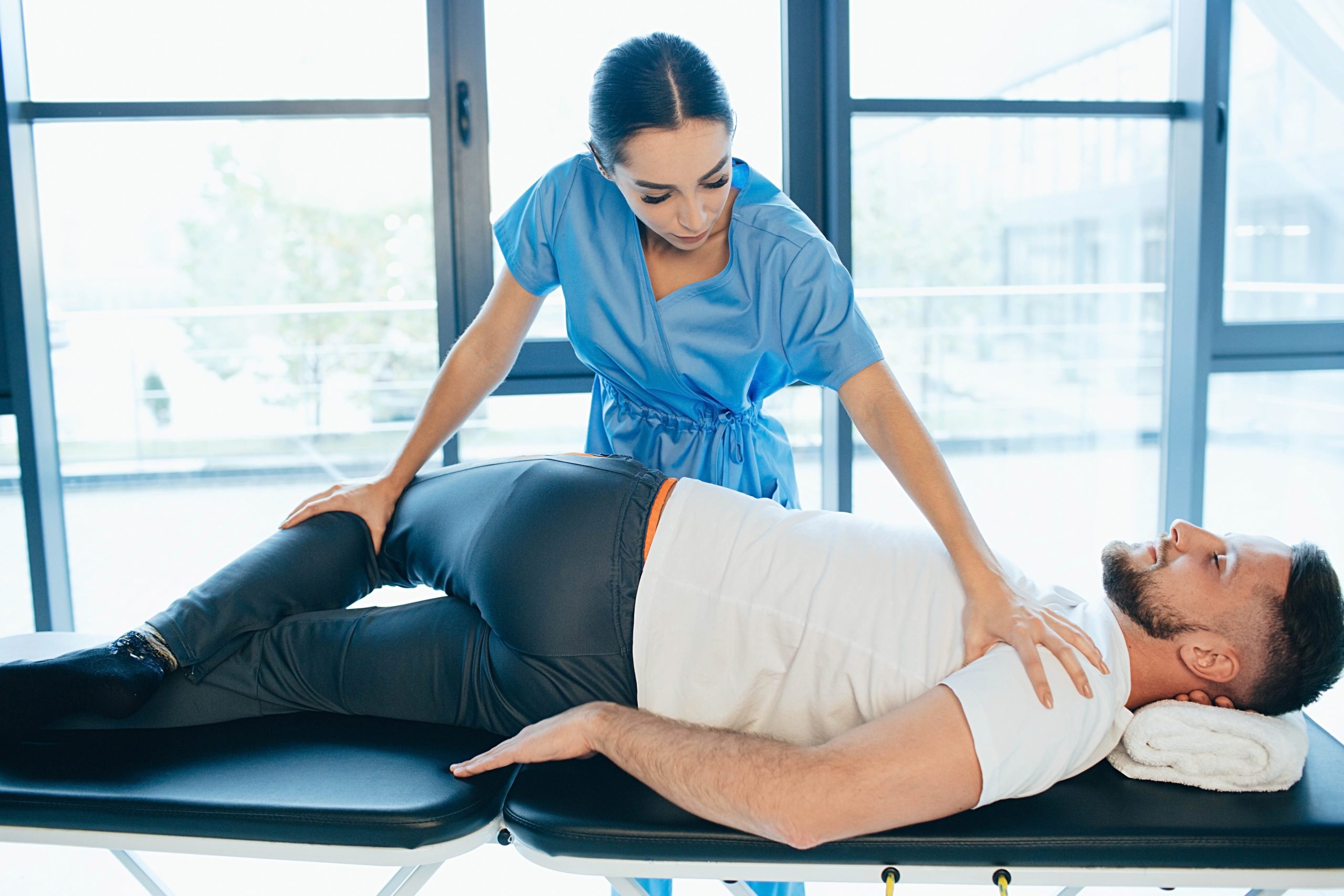
Spine injury treatment can feel overwhelming when pain, fear, and uncertainty hit all at once. Whether the injury happens during a road accident, a sports activity, or even a sudden fall at home, the spine is not something anyone wants to take lightly. The good news is that with timely diagnosis, expert care, and the right rehabilitation plan, recovery is absolutely possible.
The spine is the central support system of your body. It protects the spinal cord, allows movement, and maintains posture. When it’s injured, daily activities like sitting, walking, or even sleeping can become challenging. That’s why understanding your options and acting early makes a significant difference.
This guide walks you through everything you need to know about diagnosis, treatment pathways, recovery strategies, and long-term care. It is written with patient education, medical accuracy, and EEAT principles in mind to ensure reliable and practical guidance.
Understanding Spine Injuries and Their Impact
Spinal injuries vary widely in severity. Some involve mild muscle strain, while others affect vertebrae, discs, or even the spinal cord itself.
A minor strain might heal with rest and physiotherapy. However, fractures, disc herniations, or spinal cord compression require specialized medical evaluation. The symptoms depend on the location and extent of the injury.
For example, Amit, a 35-year-old cyclist, experienced sharp lower back pain after a fall. Initially, he thought it was just a strain. But persistent numbness in his leg signaled nerve involvement. A proper diagnosis changed his recovery path entirely.
Spine injury treatment begins with understanding exactly what is damaged and how it affects the nervous system.
Common Causes Requiring Spine Injury Treatment
Road traffic accidents remain one of the leading causes of serious spinal trauma. Sudden impact can cause fractures or dislocations.
Sports injuries are also common, especially in contact sports or activities involving heavy lifting. Improper technique increases risk.
Falls, particularly in older adults, often result in compression fractures due to weakened bones.
Workplace injuries involving repetitive strain or heavy machinery accidents can also damage spinal structures.
Each cause requires a tailored approach. Effective spine injury treatment depends on identifying the mechanism of injury and the tissues involved.
Early Symptoms You Should Never Ignore
Back pain is the most common symptom. However, pain alone doesn’t always indicate severity.
Numbness, tingling, or weakness in the arms or legs suggest nerve involvement. Difficulty walking or maintaining balance may indicate spinal cord compression.
Severe cases may involve loss of bladder or bowel control, which requires emergency care.
Prompt medical evaluation ensures that spine injury treatment starts before complications worsen. Early intervention can prevent permanent nerve damage.
Diagnosis: The Foundation of Spine Injury Treatment
Accurate diagnosis is critical. Doctors typically begin with a physical examination to assess strength, reflexes, and sensation.
Imaging studies such as X-rays identify fractures. MRI scans provide detailed views of discs, ligaments, and nerves. CT scans offer precise bone imaging.
Specialists interpret these results carefully to determine the best path forward.
A thorough diagnostic process ensures that spine injury treatment is not based on guesswork but on clear medical evidence.
Non-Surgical Spine Injury Treatment Options
Not all spinal injuries require surgery. In fact, many cases improve with conservative management.
Rest is often recommended initially, but prolonged inactivity is discouraged. Controlled movement supports healing.
Physiotherapy plays a major role. Guided exercises strengthen core muscles, stabilize the spine, and improve flexibility.
Pain management may include anti-inflammatory medications or nerve pain relievers. In some cases, steroid injections reduce inflammation around compressed nerves.
Bracing can provide temporary stability for fractures or ligament injuries.
These approaches form the backbone of non-invasive spine injury treatment, helping patients recover safely without surgical risks.
When Surgery Becomes Necessary
Surgery is typically considered when conservative measures fail or when structural damage threatens nerve function.
Fractures causing spinal instability may require surgical fixation. Severe disc herniations compressing nerves might need discectomy. Spinal cord compression demands urgent intervention.
Modern surgical techniques have evolved significantly. Minimally invasive procedures reduce muscle damage and shorten recovery time.
Before recommending surgery, spine specialists carefully evaluate risks, benefits, and patient health factors. A well-planned surgical spine injury treatment can restore stability and relieve persistent pain.
The Emotional and Psychological Side of Recovery
Spinal injuries don’t just affect the body. They can impact mental health as well.
Chronic pain often leads to frustration or anxiety. Fear of movement may delay rehabilitation.
Clear communication from healthcare providers reduces uncertainty. Understanding the treatment plan builds confidence.
Family support and counseling, when needed, contribute to better overall outcomes.
Successful spine injury treatment considers emotional well-being alongside physical healing.
Rehabilitation: The Core of Long-Term Success
Rehabilitation begins as soon as medically safe. Early mobilization prevents stiffness and muscle loss.
Physical therapists design personalized programs focusing on flexibility, posture correction, and muscle strengthening.
Occupational therapy may help patients adapt daily activities during recovery.
Consistency is key. Patients who actively engage in rehab often regain function faster and reduce the risk of reinjury.
Rehabilitation transforms spine injury treatment from a short-term fix into a long-term recovery strategy.
Preventing Complications After a Spine Injury
Following medical advice strictly is essential. Skipping therapy sessions or lifting heavy objects too soon can delay healing.
Maintaining a healthy weight reduces stress on the spine. Good posture while sitting and standing supports spinal alignment.
Avoid smoking, as it slows bone healing and reduces blood supply to spinal tissues.
Preventive habits strengthen the success of your spine injury treatment and protect against future damage.
Choosing the Right Specialist for Spine Injury Treatment
Expertise matters when it comes to spinal care.
Look for board-certified spine surgeons or orthopedic specialists with experience in treating trauma cases. Hospital accreditation also reflects safety standards.
Patient reviews and referrals can offer additional insight, but prioritize verified clinical credentials.
Trust is built through transparent communication. A qualified specialist explains diagnosis, treatment options, expected outcomes, and possible risks clearly.
High-quality spine injury treatment depends on experienced professionals guided by evidence-based practice.
Recovery Timelines: What to Expect
Recovery varies depending on injury severity and individual health.
Mild muscle strains may heal within weeks. Fractures may take months. Surgical recovery timelines depend on procedure complexity.
Younger patients often heal faster, but adherence to rehabilitation plays a bigger role than age alone.
Understanding realistic timelines prevents frustration and supports consistent effort throughout the healing journey.
Lifestyle Adjustments After Spine Injury Treatment
Returning to daily activities requires gradual adaptation.
Workplace ergonomics should be optimized. Chairs with lumbar support and proper desk height reduce strain.
Regular low-impact exercises like walking or swimming strengthen spinal support muscles.
Mindful body mechanics during lifting or bending prevent further injury.
Lifestyle modifications extend the benefits of spine injury treatment well beyond initial recovery.
Real-Life Recovery Story
Consider Meera, a 48-year-old accountant who slipped on wet stairs and suffered a compression fracture. Initially, she feared permanent disability.
After proper evaluation, her doctor recommended bracing and physiotherapy. She followed her rehabilitation program diligently.
Within months, her mobility improved significantly. She resumed work with minor adjustments to her seating posture.
Her experience highlights how timely and structured spine injury treatment can transform fear into functional recovery.
Advances in Spine Injury Treatment
Medical technology continues to evolve.
Minimally invasive spine surgery uses smaller incisions and advanced imaging guidance. Robotic-assisted procedures improve surgical precision.
Biologic therapies are being researched to enhance bone healing and tissue repair.
These innovations enhance safety and reduce recovery time, strengthening the effectiveness of modern spine injury treatment strategies.
Financial Planning and Insurance Coverage
Spinal care can involve imaging, therapy sessions, medications, and sometimes surgery.
Discuss estimated costs in advance. Many insurance plans cover medically necessary spine procedures and rehabilitation.
Understanding financial aspects reduces stress during recovery.
Transparent communication about expenses reflects professional accountability and supports informed decision-making.
Building Long-Term Spine Health
Recovery does not end when pain subsides.
Maintaining strong core muscles stabilizes the spine. Regular stretching preserves flexibility.
Balanced nutrition supports bone density and tissue repair.
Periodic medical follow-ups ensure ongoing spinal health.
Long-term commitment reinforces the benefits achieved through spine injury treatment, allowing patients to return confidently to active living.
Read also: