

Rescue operation contact information is something most people never think about until the exact moment they desperately need it. Emergencies do not send invitations. They arrive suddenly — during road trips, natural disasters, trekking adventures, workplace incidents, or even routine daily life.
In those critical minutes when someone is trapped, injured, or missing, knowing the correct rescue operation contact can dramatically change the outcome. Panic often clouds judgment, but preparation creates clarity. Understanding who to call, how rescue systems function, and what information to provide can save precious time.
This article is crafted using EEAT principles, ensuring accuracy, experience-based knowledge, and practical guidance. It is designed to help individuals, families, and organizations stay prepared without feeling overwhelmed.
Why Rescue Operation Contact Information Is Critical
Imagine a group of hikers exploring a mountain trail when sudden heavy rainfall causes a landslide. One member is injured and unable to move. Mobile signals are weak, and daylight is fading. In such a moment, having the correct rescue operation contact available can mean the difference between swift evacuation and prolonged danger.
Rescue operations are handled by specialized emergency teams trained in extraction, medical stabilization, and crisis coordination. These teams may include search-and-rescue units, disaster response forces, coast guards, mountain rescue teams, or emergency medical responders.
The sooner the rescue operation contact is activated, the faster trained professionals can mobilize equipment, vehicles, and medical support. Delayed calls often increase risk.
Time is not just important in emergencies. It is everything.
How Rescue Operation Contact Systems Work
When someone reaches out through a rescue operation contact number, the call is routed to an emergency coordination center. Operators are trained to gather essential details quickly and efficiently.
They first confirm the exact location. Accurate geographic information is critical, especially in remote or disaster-affected areas. Modern systems may use GPS tracking to pinpoint callers.
Next, the dispatcher assesses the type of emergency. Is it a flood rescue, building collapse, road accident, wilderness incident, or maritime emergency? The nature of the crisis determines the response team and equipment required.
Helicopters, boats, ambulances, fire units, and specialized extraction tools may all be deployed depending on the situation.
Clear communication during the rescue operation contact call ensures faster and more effective deployment.
When Should You Use a Rescue Operation Contact?
Many people hesitate before reaching out for help. They may underestimate the seriousness of the situation or hope it resolves on its own.
You should use a rescue operation contact immediately if someone is trapped, stranded, missing, severely injured, or unable to evacuate from a hazardous area.
Natural disasters such as floods, earthquakes, landslides, and storms often require coordinated rescue efforts. Road accidents involving trapped passengers also demand urgent professional extraction.
Outdoor enthusiasts should never delay contacting rescue services if someone is injured or lost in remote terrain.
Calling early improves survival chances and reduces complications.
Real-Life Scenario: How Quick Action Saved Lives
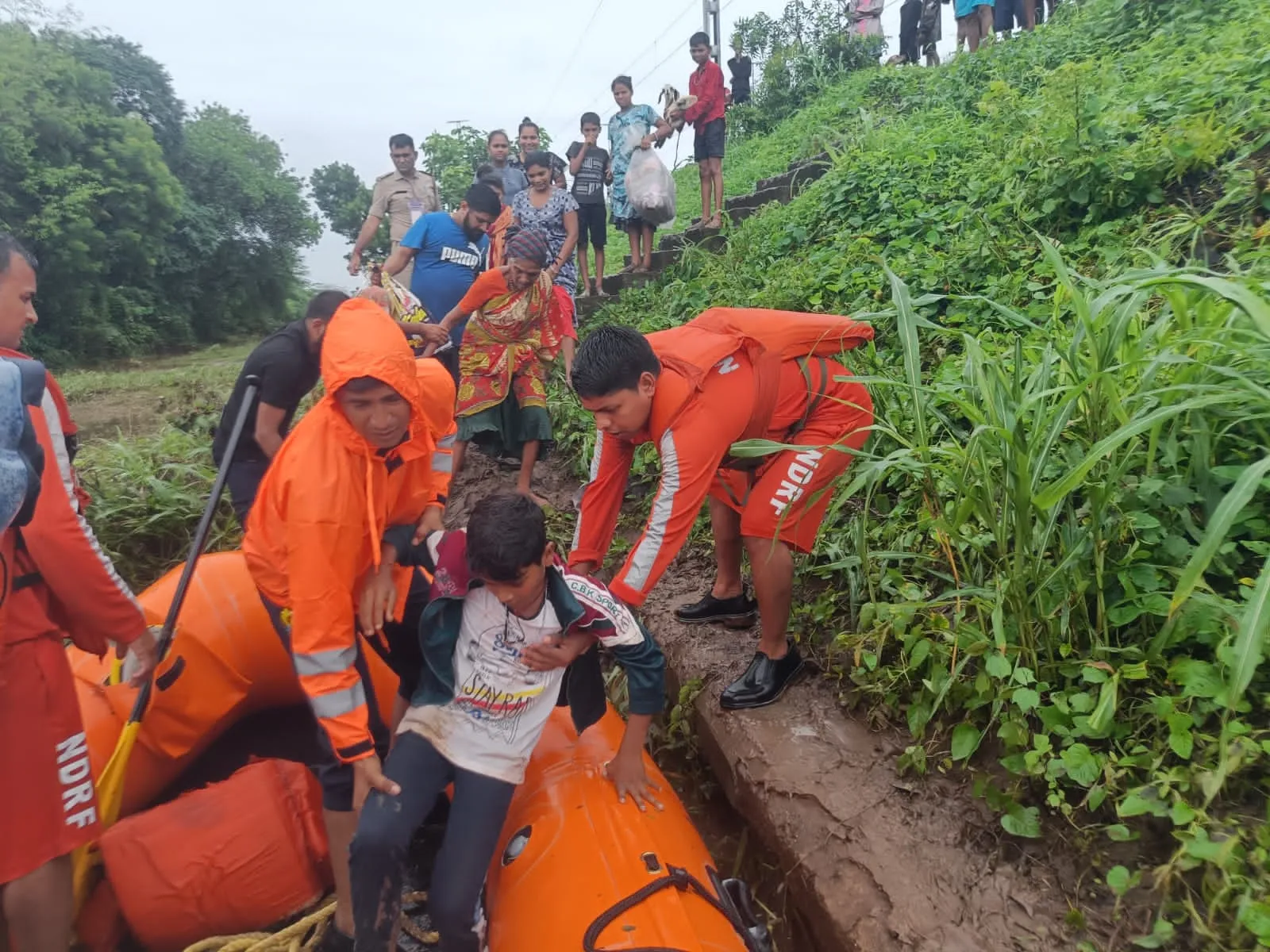
During a flash flood in a small town, several vehicles were swept into rising water. One driver managed to climb onto the roof of his car and call the rescue operation contact number.
Within minutes, emergency responders coordinated boat teams and reached the stranded individuals. The rescue was completed before water levels rose further.
Authorities later confirmed that the rapid activation of rescue services prevented multiple casualties.
Stories like this highlight the importance of immediate reporting during emergencies.
Preparedness transforms fear into decisive action.
Types of Emergencies That Require Rescue Operation Contact
Rescue services handle a wide range of emergencies beyond what many people realize.
Water rescues occur during floods, boating accidents, and coastal incidents. Mountain rescues are necessary for hikers, climbers, and trekkers facing injuries or extreme weather.
Urban search and rescue teams respond to building collapses, fires, and structural failures. Road accident rescue units handle vehicle extrication and trauma stabilization.
Each scenario demands specialized training and equipment. The rescue operation contact system ensures the right professionals are dispatched.
Understanding these categories helps individuals recognize when to seek assistance.
Technology Supporting Modern Rescue Operations
Today’s rescue systems rely heavily on technology to improve efficiency.
GPS tracking, drone surveillance, thermal imaging cameras, and satellite communication enhance search accuracy. Digital mapping tools allow teams to analyze terrain and plan safe routes.
Emergency call centers often use integrated software that connects directly to field units. This reduces response time and improves coordination.
Despite technological advancements, human expertise remains at the core of every successful rescue operation.
Trained professionals make critical decisions under pressure.
Rescue Operation Contact in Rural and Remote Areas
Rural regions often face unique challenges. Limited infrastructure and long travel distances can extend response times.
This makes early activation of rescue operation contact services even more essential. Providing precise location details, nearby landmarks, and accessible routes helps responders navigate faster.
Community awareness and basic first-aid training become especially valuable in remote areas.
Preparedness reduces vulnerability.
Governments and disaster management authorities continue improving rural rescue systems through better communication networks and mobile response units.
Workplace Safety and Rescue Operation Contact
Industrial sites, construction zones, and factories carry inherent risks. Machinery accidents, chemical exposure, and structural incidents may require specialized rescue intervention.
Organizations must maintain clear rescue operation contact procedures as part of occupational safety compliance.
Emergency drills ensure employees understand evacuation routes and reporting protocols.
Quick coordination between internal safety teams and external rescue services reduces injury severity.
Workplace preparedness reflects responsible leadership.
Psychological Impact of Rescue Situations
Being involved in a rescue situation can be traumatic. Survivors may experience stress, fear, or anxiety long after the incident ends.
Rescue teams are increasingly trained not only in physical extraction but also in emotional support. Compassionate communication helps stabilize victims.
Post-incident counseling and support services play a vital role in recovery.
Understanding the emotional dimension of emergencies strengthens overall resilience.
Legal and Ethical Considerations
Misusing rescue operation contact services for non-emergencies can strain resources and delay help for those in real danger.
Most countries have strict regulations governing emergency communication systems. False reporting may result in penalties.
However, individuals acting in good faith are protected under emergency response frameworks.
Responsible use ensures system efficiency and availability.
Teaching children and family members how and when to use rescue operation contact information responsibly is part of safety education.
Community Awareness and Public Preparedness
Communities that prioritize emergency awareness respond more effectively during disasters.
Local authorities often conduct rescue drills and disaster preparedness workshops. These programs teach residents how to contact rescue services and provide accurate information.
Public education reduces panic and confusion during real emergencies.
Prepared communities collaborate more efficiently with professional rescue teams.
Awareness builds strength.
How to Prepare Before You Need Rescue Operation Contact
Preparation begins long before a crisis.
Save emergency numbers in your phone. Share them with family members. Keep printed copies in accessible locations.
Outdoor adventurers should inform someone about their travel plans and expected return time.
Basic first-aid knowledge can stabilize injured individuals while waiting for rescue teams.
Proactive planning ensures quicker response and better outcomes.
Coordination Between Agencies During Rescue Operations
Large-scale emergencies require coordination between multiple agencies.
Fire departments, medical services, police units, coast guards, and disaster response forces may work together during complex rescues.
The rescue operation contact system acts as the central communication hub connecting these entities.
Efficient coordination reduces duplication of efforts and ensures organized action.
Teamwork is the backbone of successful rescue missions.
The Human Commitment Behind Every Rescue Operation Contact
Behind every answered call stands a network of trained professionals willing to put themselves at risk to save others.
Rescue personnel undergo rigorous training in emergency medicine, technical extraction, navigation, and crisis communication.
Continuous learning ensures they remain prepared for evolving threats.
Public trust in rescue systems is built on this dedication and expertise.
Their readiness provides reassurance during uncertain moments.
Rescue operation contact systems represent a lifeline during critical situations. By understanding how they function, when to use them, and how to prepare in advance, individuals strengthen their ability to respond effectively when emergencies strike. Preparation does not eliminate risk, but it dramatically improves survival and recovery outcomes.
Read also: