

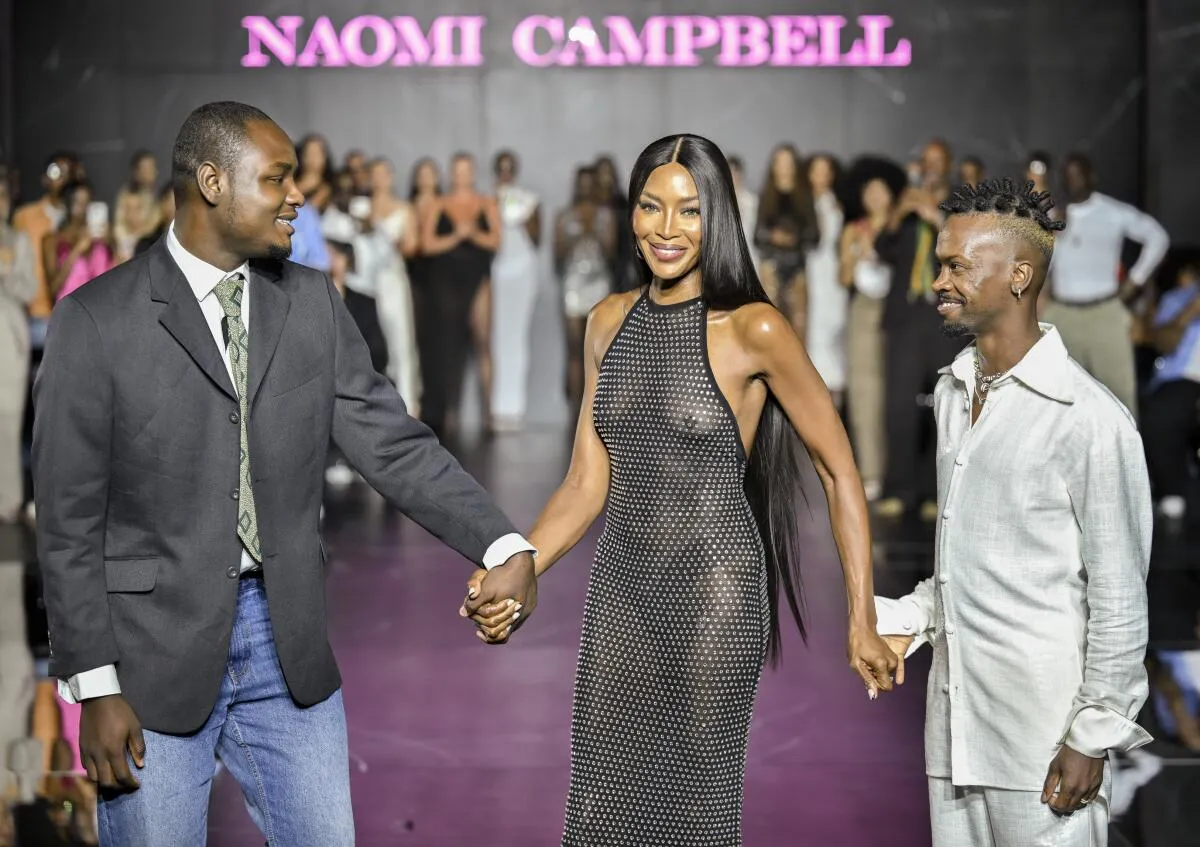
Fashion runway models are the heartbeat of global fashion weeks, transforming fabric into fantasy with every confident step. Behind the spotlight, flashing cameras, and couture gowns lies a world of discipline, resilience, and evolving industry standards.
When a model walks for iconic houses at events like Paris Fashion Week or New York Fashion Week, they are not simply showcasing clothing. They are communicating a designer’s vision, mood, and story to the world.
This in-depth feature explores the journey, challenges, business structure, diversity shifts, and global influence of runway professionals while aligning with EEAT standards of expertise, credibility, and trust.
Table of Contents
ToggleThe Evolution of Fashion Runway Models
The role of Fashion runway models has changed dramatically over the decades. In the early 20th century, models primarily presented garments to small private audiences in couture salons.
By the 1990s, the rise of supermodels turned runway figures into global celebrities. Icons like Naomi Campbell and Cindy Crawford became household names, appearing in campaigns, music videos, and magazine covers.
Today, runway professionals are multi-platform personalities. Social media presence often complements traditional modeling portfolios, expanding their influence beyond the catwalk.
The Preparation Behind Every Runway Walk
Walking in high heels under bright lights may appear effortless, but preparation is intense. Professional Fashion runway models undergo rigorous training in posture, pacing, and facial expression.
Casting calls are highly competitive. Models attend multiple auditions during fashion week seasons, sometimes walking for dozens of designers in a single month.
Fitness routines, skincare discipline, and strict schedules are part of daily life. Many top models work with trainers and nutritionists to maintain stamina for back-to-back shows.
The runway demands endurance as much as elegance.
Fashion Runway Models and Global Fashion Weeks
The most prestigious stages for Fashion runway models remain the major fashion capitals: Paris, Milan, New York, and London.
At Milan Fashion Week, luxury brands debut collections that influence retail trends worldwide. Meanwhile, Paris showcases haute couture craftsmanship.
When Gigi Hadid opens a major show, it signals strong industry credibility. Opening or closing a runway presentation often represents career milestones.
These events determine seasonal aesthetics and shape global buying decisions for retailers.
Diversity and Inclusion in Modern Runways
The industry has faced criticism for limited representation. However, progress is visible.
Today’s Fashion runway models represent a wider range of ethnicities, body types, and gender identities. This shift reflects consumer demand for authentic inclusivity.
Models like Ashley Graham have challenged traditional beauty standards, proving that diversity enhances rather than diminishes glamour.
Designers increasingly cast models who reflect real-world audiences, strengthening relatability and cultural relevance.
The Business Side of Fashion Runway Models
Modeling is not just about aesthetics; it is a structured business ecosystem.
Agencies manage contracts, negotiate fees, and coordinate travel schedules. Professional Fashion runway models often sign exclusive agreements with luxury houses.
Compensation varies widely depending on experience, brand prestige, and market demand. Top-tier models may command significant show fees and global campaign deals.
Financial literacy plays a crucial role in sustaining long-term careers within the industry.
The Role of Agencies and Management
Behind every successful runway career stands a reputable modeling agency.
Agencies scout talent, develop portfolios, and connect models with designers. They also handle logistics, visas, and international placements.
Reliable representation ensures Fashion runway models receive fair treatment and contractual protection.
Agencies like Elite Model Management have historically launched global careers by combining strategic exposure with professional mentorship.
Strong management shapes professional longevity.
Digital Influence and Social Media Presence
In today’s digital landscape, social media presence enhances visibility.
Models build personal brands on platforms such as Instagram, sharing behind-the-scenes moments and collaborations.
Modern Fashion runway models often balance catwalk appearances with influencer campaigns.
This hybrid model expands earning opportunities and deepens audience engagement.
Digital storytelling allows fans to see the personality behind the poised runway persona.
Mental Health and Industry Pressures
The glamour of fashion can overshadow its pressures.
Long travel schedules, body scrutiny, and public visibility can impact mental well-being. Responsible agencies now prioritize wellness support.
Conversations around mental health are becoming more common among Fashion runway models.
Several industry leaders advocate balanced work schedules and healthier casting standards.
Awareness campaigns encourage sustainable career practices rather than extreme expectations.
Training and Skill Development
Success on the runway requires more than physical attributes.
Aspiring Fashion runway models often attend modeling workshops to refine walks, poses, and camera confidence.
Understanding garment construction and designer intent enhances performance.
Professionalism backstage is equally important. Punctuality, adaptability, and teamwork build reputational credibility.
Continuous skill development ensures consistent demand.
Iconic Moments in Runway History
Certain runway appearances redefine fashion eras.
When Kate Moss emerged in the 1990s, she introduced a new minimalist aesthetic.
Similarly, theatrical runway presentations by luxury houses elevated Fashion runway models into performance artists rather than simple presenters.
These iconic moments continue influencing contemporary fashion storytelling.
Runway history shapes modern innovation.
Sustainability and Ethical Fashion
Environmental responsibility now influences runway presentations.
Designers increasingly prioritize eco-friendly fabrics and ethical production methods.
Fashion runway models often participate in campaigns promoting sustainable collections.
Industry transparency fosters trust with consumers who value environmental accountability.
Sustainability aligns with broader global awareness movements.
Cultural Influence Beyond the Runway
Runway appearances often set mainstream fashion trends.
Retail brands reinterpret high-fashion designs for everyday consumers. Hairstyles, silhouettes, and color palettes transition from couture shows to street style.
As cultural ambassadors, Fashion runway models influence beauty standards, confidence narratives, and artistic expression worldwide.
Their impact extends far beyond a single season’s collection.
Fashion becomes a visual language shared globally.
Technology Transforming the Runway
Virtual shows and digital garments have emerged as innovative solutions.
During global disruptions, designers hosted online presentations, proving adaptability.
Tech-driven Fashion runway models now experiment with virtual avatars and augmented reality styling.
Hybrid events combine physical and digital audiences, expanding accessibility.
Innovation ensures that fashion remains dynamic and inclusive.
EEAT Principles in Fashion Reporting
Responsible fashion journalism prioritizes verified information, designer credits, and accurate industry insights.
Expert commentary from stylists and fashion analysts strengthens credibility.
High-quality coverage of Fashion runway models avoids speculation and respects professional boundaries.
Authoritative reporting builds reader trust and long-term engagement.
Experience-driven storytelling enhances authenticity.
The Future of Fashion Runway Models
As the industry evolves, adaptability remains essential.
Emerging markets, digital fashion platforms, and sustainability commitments will shape upcoming seasons.
The next generation of Fashion runway models will likely blend artistry with entrepreneurship, balancing runway presence and digital influence.
Fashion continues reinventing itself, driven by creativity, diversity, and resilience.
The runway remains a powerful stage where culture, commerce, and artistry intersect—propelled forward by dedicated professionals who turn design into unforgettable movement.
Read also: