

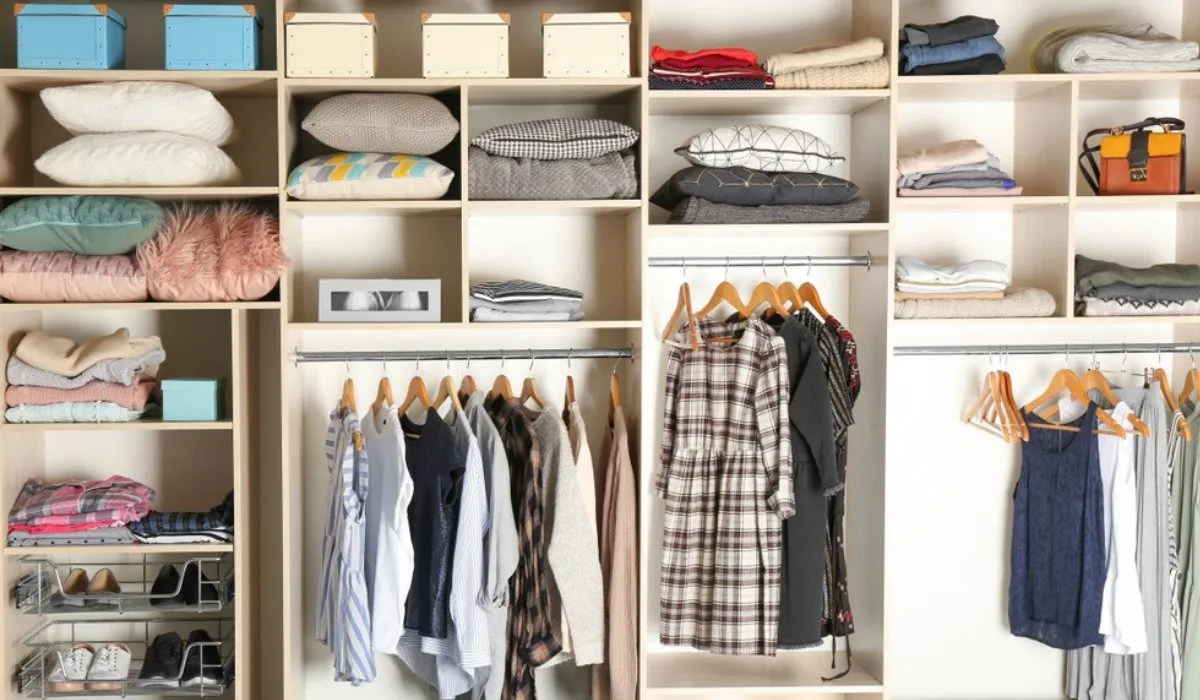
Wardrobe design trends are redefining how we think about bedroom storage. What used to be a simple wooden cabinet with hinged doors has evolved into a sophisticated design feature that blends aesthetics, organization, and innovation.
I recently worked with a homeowner who struggled with clutter despite having a large bedroom. The issue was not space but inefficient storage. Once we redesigned the wardrobe with sliding doors, internal compartments, and smart lighting, the entire room felt organized and luxurious. That transformation highlights why wardrobe design matters so much today.
Modern wardrobes are no longer just storage units. They are architectural elements that enhance the overall look and feel of a room while improving daily convenience.
Why Wardrobe Design Trends Matter in Modern Interiors
Bedrooms are personal sanctuaries, and storage plays a crucial role in maintaining calmness. When clothes, accessories, and essentials are disorganized, the room instantly feels chaotic.
Current Wardrobe design trends focus on maximizing space without compromising style. Designers now approach wardrobes as integral components of the room’s visual identity.
From sleek finishes to innovative internal layouts, wardrobes are tailored to fit individual lifestyles. This personalized approach ensures that functionality meets aesthetics seamlessly.
The growing emphasis on smart living has further influenced how wardrobes are conceptualized and constructed.
Evolution of Wardrobe Design Trends Over the Years
In earlier decades, wardrobes were heavy wooden structures occupying significant floor space. They were functional but rarely stylish.
Today, design has shifted toward minimalism and integration. Built-in wardrobes that blend with walls create a seamless and spacious effect.
Sliding door systems have replaced bulky hinged doors in many homes, especially in urban apartments where space optimization is essential.
This evolution reflects changing lifestyles, smaller living spaces, and a stronger desire for organized living environments.
Modern Materials Defining Wardrobe Design Trends
Material selection significantly impacts both durability and appearance. Engineered wood remains a popular choice due to affordability and versatility.
High-gloss laminates add a sleek and contemporary touch. Matte finishes, on the other hand, create understated elegance.
Glass panels and mirrored doors are increasingly common. Mirrors enhance natural light and make rooms feel larger, which is particularly useful in compact bedrooms.
Wood veneers bring warmth and texture, offering a timeless appeal that complements both modern and classic interiors.
Smart Storage Innovations in Wardrobe Design Trends
One of the most exciting aspects of Wardrobe design trends is the innovation happening inside the wardrobe.
Modern wardrobes now include pull-out shoe racks, built-in drawers, adjustable shelving, and accessory organizers. These features ensure that every inch of space is utilized effectively.
Soft-close mechanisms add a premium feel while reducing wear and tear. Internal lighting systems make it easier to locate items, especially in deep or walk-in wardrobes.
Such thoughtful innovations improve daily convenience and elevate user experience.
Sliding vs. Hinged Wardrobes
Choosing between sliding and hinged wardrobes depends on room size and personal preference.
Sliding wardrobes are ideal for smaller bedrooms because they do not require extra space for door clearance. Their sleek look aligns perfectly with contemporary aesthetics.
Hinged wardrobes, however, provide full access to the interior at once. They often suit larger rooms where space constraints are minimal.
Both options can be customized to reflect the latest Wardrobe design trends, ensuring style and practicality coexist.
Walk-In Wardrobes and Luxury Appeal
Walk-in wardrobes have become a symbol of luxury. They offer ample storage and a dedicated dressing area within the bedroom.
Proper lighting and thoughtful shelving design are crucial in walk-in setups. Open shelves, glass cabinets, and display sections add sophistication.
Homeowners increasingly view walk-in wardrobes as extensions of their personal style. Organized layouts not only enhance functionality but also make daily routines smoother.
The demand for personalized storage solutions continues to grow in modern homes.
Minimalist Wardrobe Design Trends
Minimalism remains influential in contemporary interiors. Wardrobes with handle-less doors and clean lines reflect this aesthetic beautifully.
Neutral color palettes such as white, beige, and gray dominate minimalist designs. These tones create visual harmony and prevent the room from feeling crowded.
Built-in wardrobes that blend seamlessly with walls enhance spaciousness. Concealed storage maintains a clutter-free appearance.
This approach aligns with modern preferences for simplicity and clarity.
Color and Finish Combinations
Color choice significantly impacts the overall vibe of a bedroom. Light-colored wardrobes make rooms appear larger and brighter.
Dark finishes such as walnut or charcoal introduce drama and depth when balanced with lighter walls.
Two-tone designs are increasingly popular. Combining wood textures with matte panels creates contrast without overwhelming the space.
These creative combinations demonstrate how Wardrobe design trends continue to evolve creatively.
Customization and Personalization
No two households have identical storage needs. Custom wardrobes allow homeowners to tailor compartments according to their lifestyle.
Some may prioritize hanging space for formal wear, while others need more shelves for folded clothing.
Jewelry drawers, tie racks, and concealed safes are additional features that enhance personalization.
Designing wardrobes around daily habits ensures long-term satisfaction and usability.
Technology Integration in Wardrobes
Smart technology has found its way into wardrobe design. Sensor-based lighting automatically illuminates the interior when doors open.
Digital locks enhance security. Some high-end wardrobes even incorporate climate control to protect delicate fabrics.
Integrated charging stations inside wardrobes are becoming more common, especially in modern apartments.
These advancements highlight how Wardrobe design trends are merging technology with convenience.
Sustainability in Wardrobe Design Trends
Sustainability is increasingly influencing design decisions. Eco-friendly materials and low-emission finishes are gaining attention.
Manufacturers now offer boards made from recycled wood and environmentally responsible adhesives.
Energy-efficient LED lighting further supports sustainable living.
By choosing durable materials and timeless designs, homeowners reduce the need for frequent replacements, contributing to environmental responsibility.
Wardrobes in Small Bedrooms
Space constraints demand creative solutions. Floor-to-ceiling wardrobes maximize vertical storage without occupying additional floor area.
Mirrored sliding doors visually expand compact rooms. Light-colored finishes maintain brightness and openness.
Compact internal organizers prevent clutter and make even small wardrobes highly functional.
Careful planning ensures that small bedrooms benefit fully from modern design innovations.
Maintenance and Longevity
Quality craftsmanship plays a significant role in durability. Well-installed wardrobes with sturdy hardware last longer and function smoothly.
Regular cleaning of tracks and hinges ensures optimal performance. Avoid overloading shelves to maintain structural integrity.
Choosing timeless designs over fleeting trends ensures that wardrobes remain stylish for years.
Investing wisely in storage solutions enhances both property value and daily comfort.
Blending Wardrobes with Overall Interior Design
Wardrobes should complement the bedroom’s theme. In modern interiors, sleek finishes and minimal detailing work best.
In classic settings, wooden textures and subtle moldings may be more appropriate.
Consistency in color palette and materials ensures visual harmony.
When aligned thoughtfully, contemporary Wardrobe design trends transform storage into a defining element of interior design.
Well-planned Wardrobe design trends reflect the changing needs of modern living. They combine innovation, style, and functionality to create organized, elegant spaces that enhance everyday life.
Read also: