

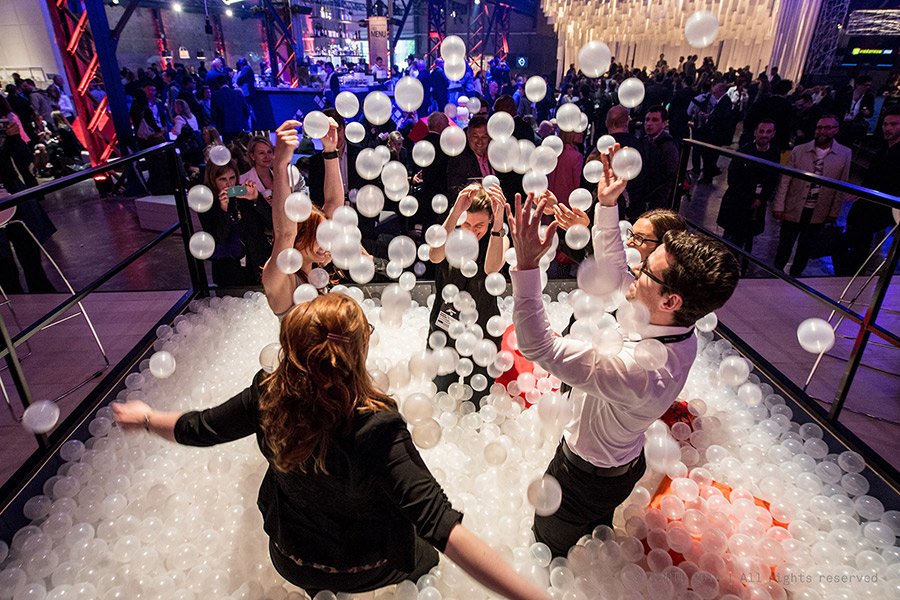
Experiential event design has become one of the most powerful strategies for brands and organizations that want to create meaningful connections with their audiences. Instead of hosting traditional events where attendees simply watch presentations or listen to speakers, experiential events invite people to participate, explore, and interact with the environment.
Think about the difference between attending a typical conference and walking into an event where every space tells a story. Lights, sound, technology, and creative storytelling work together to immerse visitors in a memorable experience. Guests don’t just attend an event; they become part of it.
A marketing manager once described attending a product launch where the venue had been transformed into a living version of the brand’s story. Visitors could explore interactive installations, test the product in real-life scenarios, and share their experiences through digital displays. By the end of the evening, people weren’t just aware of the product—they felt emotionally connected to the brand.
This is the power of Experiential event design, which focuses on creating moments that audiences remember long after the event ends.
Table of Contents
ToggleThe Evolution of Event Experiences
Events have always been important for bringing people together. For decades, conferences, exhibitions, and corporate gatherings relied mainly on speeches, presentations, and networking sessions.
While these formats served practical purposes, they often lacked emotional engagement. Attendees would listen to information, collect brochures, and leave without forming lasting impressions.
Over time, event professionals began recognizing the importance of experience. Instead of focusing only on delivering information, they started designing environments that stimulated curiosity and participation.
Creative lighting, immersive displays, interactive installations, and digital storytelling gradually became part of modern events. This transformation marked the beginning of Experiential event design, which emphasizes engagement, storytelling, and human connection.
Why Experiential Events Matter Today
Modern audiences expect more than traditional presentations. People today are constantly surrounded by digital content, social media updates, and endless streams of information.
To capture attention, events must offer something unique and memorable. Experiences that involve participation and creativity naturally stand out in a crowded world.
Experiential events encourage attendees to interact with the brand, product, or message being presented. This interaction helps people form stronger emotional connections.
When people actively participate in an experience rather than simply observing it, they are far more likely to remember it later.
This is why organizations increasingly rely on Experiential event design to create events that inspire engagement and leave lasting impressions.
Storytelling at the Heart of Experiential Event Design
Every successful event tells a story. Whether it’s a brand launching a new product, a nonprofit raising awareness, or a company celebrating an achievement, storytelling helps shape how audiences perceive the event.
In experiential events, storytelling is expressed through design elements, activities, and interactions. The event space itself becomes part of the narrative.
Imagine walking into an event designed around a travel theme. The entrance resembles an airport gate, interactive booths represent different destinations, and participants collect digital “passports” as they explore each section.
By the end of the event, attendees feel as if they’ve completed a journey. This immersive storytelling approach is a hallmark of Experiential event design, which uses creativity to transform information into memorable experiences.
The Role of Technology in Experiential Events
Technology plays a significant role in modern event design. Interactive screens, augmented reality, and digital installations allow event organizers to create immersive environments that engage multiple senses.
Projection mapping can transform ordinary walls into dynamic visual displays. Augmented reality apps allow guests to interact with virtual elements layered over the physical environment.
Social media integration also adds another layer of engagement. Many events now feature live social media walls where attendee posts appear instantly on large screens.
These technological tools allow event designers to create experiences that feel both innovative and personalized.
As a result, Experiential event design has become closely connected with digital innovation and creative technology.
Creating Emotional Connections Through Experience
One of the most powerful aspects of experiential events is their ability to create emotional connections.
When attendees feel something during an event—excitement, curiosity, inspiration—they are more likely to remember that experience later. Emotions play a major role in how people perceive brands and messages.
For example, a sustainability-focused event might allow participants to walk through an immersive installation showing the impact of environmental changes. Seeing and experiencing the message firsthand often creates a stronger impact than simply reading statistics.
These emotionally engaging experiences demonstrate why Experiential event design is so effective for storytelling and brand communication.
Designing Interactive Event Spaces
The layout and structure of an event space can significantly influence how people experience it. Traditional events often place attendees in rows of seats facing a stage.
Experiential events take a different approach. They encourage movement, exploration, and interaction throughout the venue.
Attendees may move between themed zones, interactive exhibits, and collaborative areas where they can participate in discussions or activities.
This dynamic environment keeps people engaged and allows them to discover new aspects of the event at their own pace.
Designing these spaces requires creativity, strategic planning, and a deep understanding of audience behavior.
Real-Life Examples of Experiential Event Design
Many well-known brands have embraced experiential events to connect with audiences in creative ways.
Some companies create pop-up experiences where visitors can explore immersive environments built around their products. Others organize interactive exhibitions where attendees participate in hands-on activities related to the brand’s story.
Music festivals, technology expos, and cultural events often incorporate experiential elements such as art installations, immersive stages, and digital storytelling.
These events attract attention not only because of their content but also because of the unique experiences they offer.
Such examples highlight how Experiential event design has become a central strategy for creating memorable public experiences.
Building Trust Through Authentic Experiences
Authenticity plays an important role in event design. Audiences can easily recognize when an experience feels forced or purely promotional.
The most successful experiential events focus on genuine storytelling and meaningful engagement. Instead of simply showcasing a product, they invite attendees to explore how the brand fits into real-life situations.
For instance, a wellness brand might create a relaxation space where visitors can participate in guided meditation sessions or interactive health workshops.
These authentic experiences help build trust between brands and audiences.
Through thoughtful planning and storytelling, Experiential event design can create environments where people feel comfortable, curious, and inspired.
Measuring the Impact of Experiential Events
While experiential events focus on creativity and engagement, measuring their impact is also important for organizations.
Event planners often analyze metrics such as attendee participation, social media engagement, and audience feedback to understand how successful an event was.
Surveys and interviews can provide valuable insights into how attendees perceived the experience. Did they feel engaged? Did they understand the message? Would they recommend the event to others?
These insights help planners refine future events and improve overall design strategies.
The measurable impact of Experiential event design demonstrates that immersive events can deliver both emotional value and practical results.
The Role of Collaboration in Event Design
Creating immersive events requires collaboration among multiple professionals. Event designers, creative directors, technology specialists, and marketing teams often work together to bring a vision to life.
Each team contributes unique expertise. Designers focus on visual storytelling, technologists build interactive systems, and marketing professionals ensure the message aligns with brand objectives.
This collaborative process ensures that every aspect of the event works together to create a seamless experience for attendees.
Successful events rarely happen by accident. They are carefully planned experiences that combine creativity with strategic thinking.
The Future of Experiential Event Design
The future of event design is increasingly immersive and interactive. New technologies continue to expand the possibilities for creative experiences.
Virtual reality environments allow attendees to explore digital worlds within physical events. Artificial intelligence tools can personalize experiences based on attendee preferences.
Hybrid events that combine physical and virtual participation are also becoming more common. These formats allow audiences from around the world to engage with an event simultaneously.
As innovation continues, Experiential event design will likely evolve into even more creative and immersive forms.
Event planners will continue experimenting with new ways to blend storytelling, technology, and human interaction.
For audiences, this means future events will not only deliver information but also create unforgettable moments that inspire curiosity, connection, and imagination.
Read also: