

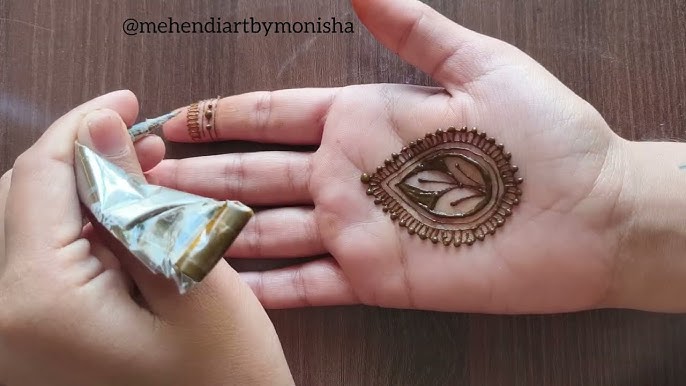
aesthetic mehandi design has become one of the most admired trends in body art, blending traditional henna patterns with modern visual beauty. For many people, mehndi is not just decoration on the skin; it is a cultural expression, a symbol of celebration, and a form of creative storytelling.
From weddings and festivals to casual celebrations, people choose mehndi designs that reflect their personality and sense of style. Over time, the concept of an aesthetic mehandi design has evolved to focus on balance, minimalism, and artistic flow.
Today, artists are creating designs that look both traditional and contemporary. Instead of simply filling the hands with patterns, they carefully craft designs that feel visually pleasing and harmonious.
This modern approach to mehndi has transformed the art into something truly timeless.
Table of Contents
ToggleThe Cultural Heritage Behind Mehndi Art
Mehndi has a long and fascinating history that spans across different cultures and regions. In countries like India, Pakistan, and parts of the Middle East, applying henna is a tradition deeply connected with celebrations.
For centuries, women have decorated their hands and feet with beautiful patterns during weddings, festivals, and important life events. The use of natural henna leaves to create body art is believed to have started thousands of years ago.
A well-crafted aesthetic mehandi design represents happiness, beauty, and prosperity. In wedding traditions, mehndi symbolizes love and blessings for the bride’s new journey.
Many families still follow the tradition of organizing a Mehndi ceremony before the wedding day. During this event, the bride’s hands are decorated while family and friends celebrate together with music and laughter.
Even though traditions remain strong, the style and presentation of mehndi designs have changed dramatically over time.
What Makes an Aesthetic Mehandi Design Truly Beautiful
When people talk about an aesthetic mehandi design, they are usually referring to designs that feel balanced, graceful, and visually appealing. The focus is not only on the complexity of the pattern but also on how the design flows naturally across the skin.
One key factor is symmetry. Many mehndi artists carefully design patterns that mirror each other across both hands. This creates a sense of harmony and elegance.
Another important element is spacing. Aesthetic designs often use a combination of detailed patterns and open spaces to create contrast. This technique prevents the design from looking too crowded.
Flow also plays a major role in mehndi artistry. A skilled artist ensures that every line and motif follows the natural shape of the hand or foot.
When all these elements come together, the result is a design that feels both artistic and effortless.
How Social Media Popularized Aesthetic Mehandi Design
In the past, brides and festival participants mostly relied on local mehndi artists for inspiration. Today, social media platforms have completely transformed the way people discover new designs.
Instagram, Pinterest, and short video platforms are filled with stunning examples of aesthetic mehandi design styles. Artists from around the world share their work, inspiring millions of viewers.
Many brides now save images of their favorite designs months before their weddings. This allows them to discuss their ideas with their mehndi artist and create something unique.
Online tutorials have also helped beginners learn the basics of mehndi art. Even simple designs can look beautiful when they follow the principles of balance and creativity.
Social media has also encouraged artists to experiment with new techniques, patterns, and cultural influences.
aesthetic mehandi design Trends Brides Love Today
Bridal mehndi has always been an important part of wedding celebrations, but modern brides are now exploring new styles that reflect contemporary fashion.
One popular trend in aesthetic mehandi design is minimal bridal mehndi. Instead of extremely dense patterns, artists create elegant motifs with clean lines and delicate details.
Another trend gaining popularity is portrait mehndi. In this style, tiny illustrations of the bride and groom are included in the design. These portraits make the mehndi feel deeply personal.
Storytelling mehndi is also becoming fashionable. Brides sometimes incorporate small symbols representing their love story, hobbies, or favorite memories.
These creative elements allow the mehndi design to become more than just decoration—it becomes a meaningful piece of art.
Traditional Motifs Used in Aesthetic Mehndi Designs
Despite the rise of modern styles, many traditional motifs remain essential in creating a beautiful mehndi design.
Floral patterns are among the most popular elements. Roses, lotus flowers, and delicate vines add softness and elegance to the design.
Paisley motifs are another timeless feature. Their curved shape naturally complements the flow of mehndi patterns and creates visual depth.
Peacock designs are often used in bridal mehndi because they symbolize beauty and romance. Their intricate feathers allow artists to showcase detailed craftsmanship.
Mandala patterns are also commonly used in aesthetic mehandi design styles. A mandala placed in the center of the palm creates a strong focal point that draws attention.
These motifs have been passed down through generations, making them a vital part of mehndi artistry.
aesthetic mehandi design for Festivals and Celebrations
Mehndi is not only reserved for weddings. Festivals such as Diwali, Eid, and Karva Chauth are also popular occasions for applying henna.
During these celebrations, people often choose an aesthetic mehandi design that looks stylish yet easy to apply.
Festival mehndi usually focuses on elegance rather than heavy detail. Designs may include finger patterns, floral trails, or simple wrist decorations.
Because festival celebrations often involve colorful outfits and jewelry, many people prefer designs that complement their fashion rather than overpower it.
Aesthetic mehndi designs are perfect for these occasions because they add beauty without appearing too heavy or complicated.
The Skill and Experience Behind Professional Mehndi Artists
Creating a flawless aesthetic mehandi design requires years of practice and artistic dedication. Professional mehndi artists develop steady hands and a deep understanding of pattern composition.
Many artists begin learning the craft during childhood by practicing on paper or on family members. Over time, they refine their techniques and develop their own signature styles.
Experienced artists also understand how different designs suit different hand shapes. They adjust the size and placement of motifs to ensure the design looks balanced.
Another important skill is controlling the henna cone. Smooth and even lines are essential for achieving a clean and elegant look.
Because of this expertise, hiring a professional mehndi artist often makes a huge difference in the final appearance of the design.
How to Maintain the Beauty of Mehndi After Application
After applying mehndi, proper care is essential for achieving a deep and long-lasting color. The stain usually develops gradually over the next 24 to 48 hours.
To enhance an aesthetic mehandi design, the paste should remain on the skin for several hours before being gently removed.
Many artists recommend applying a mixture of lemon juice and sugar to keep the paste moist. This helps the henna dye penetrate the skin more effectively.
Avoid washing the hands immediately after removing the paste. Allowing the stain to develop naturally will produce a richer color.
Natural oils such as coconut oil can also protect the design and keep the skin hydrated.
These small steps ensure that the mehndi remains vibrant throughout weddings, festivals, or special events.
Mehndi as a Form of Personal Style and Expression
In recent years, mehndi has become more than just a traditional ritual. It is now a form of personal style that reflects creativity and individuality.
Some people prefer bold and intricate designs, while others choose delicate patterns that emphasize simplicity. The beauty of an aesthetic mehandi design is that it allows for endless creativity.
Artists can combine traditional motifs with modern elements to create unique compositions. This flexibility allows each design to feel personal and meaningful.
For many people, the process of applying mehndi is just as enjoyable as the final result. Sitting with friends or family while a design slowly appears on the skin creates memories that last long after the color fades.
Because of this emotional connection, mehndi continues to hold a special place in celebrations around the world.
Why Aesthetic Mehndi Designs Continue to Inspire Generations
The popularity of mehndi has never faded because it beautifully combines culture, creativity, and celebration. Each generation brings new ideas while still honoring traditional artistry.
A thoughtfully crafted aesthetic mehandi design reflects both heritage and modern beauty. It shows how ancient traditions can adapt to contemporary lifestyles.
From simple festival patterns to elaborate bridal masterpieces, mehndi continues to inspire artists and admirers everywhere.
As long as people appreciate artistic expression and cultural traditions, the elegance of aesthetic mehndi designs will continue to flourish in celebrations across the world.
Read also:
easy mehndi designs for kids
simple design for kids
square shape rangoli design
rangoli in square shape
aesthetic mehandi design
boys cone designs