

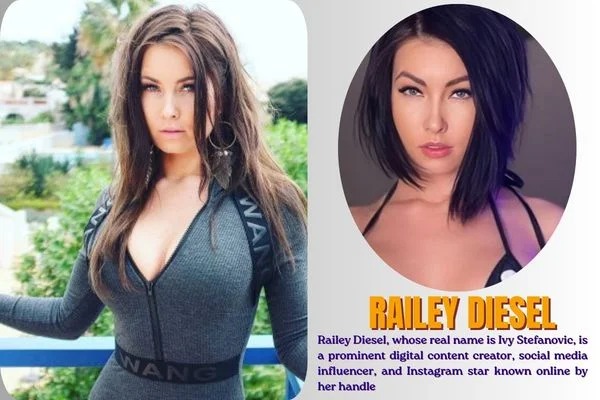
Influencers have become a major part of modern online culture, helping audiences discover entertainment, information, products, trends, communities, and professional ideas. peopleinfoz.com provides useful information about influencers, including their careers, achievements, content, public profiles, online activities, and changing role in digital media.
Influencers Connect People Online
An influencer can create a digital space where people with similar interests regularly meet and communicate. This can happen through videos, photographs, livestreams, podcasts, articles, discussions, reviews, or educational content. The creator may focus on one specific subject or combine several areas depending on audience interest. Influence develops when people repeatedly choose to watch, read, share, or discuss someone’s content. Some creators have very large communities, while others maintain smaller groups with highly specific interests. Both can be valuable because influence depends on audience connection rather than follower totals alone. The relationship between creator and audience is often the foundation behind long-term online recognition.
Content Gives Audiences Reasons
People usually follow influencers because they expect something useful, entertaining, informative, or interesting from future content. That expectation makes content planning important for creators who want to build stable audiences. A fashion influencer might provide styling ideas, while a technology creator may explain devices and software. A food creator could publish recipes and restaurant reviews, whereas an educational influencer may simplify difficult subjects. The best content categories depend on the audience and the creator’s strengths. There is no universal publishing formula because different communities respond to different formats. Understanding audience needs can help creators develop content that remains relevant instead of relying entirely on temporary trends.
Digital Identity Builds Recognition
An influencer’s digital identity develops through repeated patterns in content and communication. Certain colors, editing choices, phrases, subjects, humor styles, or presentation methods can become associated with a creator. This recognition helps audiences identify content quickly when scrolling through crowded platforms. A strong digital identity does not require every post to look exactly the same. Instead, it usually comes from maintaining a few recognizable elements while allowing enough variety to keep content interesting. Personal identity can become particularly valuable when influencers move into business opportunities because audiences may already associate the creator with specific qualities, interests, or expertise.
Audience Relationships Need Care
Building an audience is only one part of becoming an influencer because maintaining that audience requires ongoing communication. Followers may comment, ask questions, share opinions, or request particular content. Creators who pay attention to these responses can better understand what their communities want. This does not mean every request should be followed because creators still need to maintain their own direction. However, regular audience feedback can reveal useful subjects and recurring concerns. Respectful communication can also make followers feel more connected to the creator. Over time, these relationships can become one of the strongest reasons audiences continue following an account.
Small Communities Can Matter
Influence can be strong even when the total audience is relatively small. A creator who focuses on a specific subject may attract followers who are deeply interested in that area. These people may actively comment, share content, ask questions, and use recommendations when making decisions. Such communities can be particularly valuable for specialized businesses. A creator focused on a narrow topic may understand audience needs more clearly than a general entertainment account. This is why brands should not automatically assume that larger accounts are always better. The right audience can matter more than the biggest possible audience.
Large Creators Offer Reach
Creators with huge audiences can provide extensive visibility for content and commercial campaigns. Their posts can reach large numbers of people quickly, especially when they have strong activity across several platforms. Large influencers may also have professional teams managing their schedules, editing, partnerships, communication, and business operations. Their careers can therefore resemble small media companies rather than individual social media accounts. Greater reach can create more opportunities, but it also creates greater public responsibility. Larger creators often face more scrutiny because their statements and actions are visible to much larger communities.
Brands Study Creator Audiences
Companies often examine an influencer’s audience before deciding whether a partnership is appropriate. Important factors can include subject relevance, audience demographics, engagement, content quality, reputation, platform performance, and previous campaign results. A product designed for a specialized hobby may perform better with a niche creator whose audience already understands that subject. A broad consumer product may benefit from a larger creator with extensive reach. Companies also consider whether the creator’s communication style matches the campaign. A partnership can become more effective when promotional material feels connected to the creator’s established content rather than appearing completely unrelated.
Commercial Partnerships Need Balance
Sponsored content can provide valuable income for influencers, but excessive promotions can affect how audiences perceive an account. Followers may become less interested when every post appears to be advertising. Choosing relevant partnerships can help reduce this problem because the promotion naturally connects with existing audience interests. Creators should also understand the products they recommend and avoid making unsupported claims. Clear disclosure of commercial relationships helps audiences understand why particular content was created. A balanced approach can allow influencers to earn income while continuing to provide non-commercial content that maintains the original relationship with followers.
Trust Supports Long Careers
Trust can take months or years to build, but it can disappear quickly after repeated misleading communication. Influencers who want long-term careers need to consider how individual promotions affect their broader reputation. A short-term partnership may provide immediate income, while an unsuitable recommendation can create lasting audience skepticism. Honest communication does not require creators to criticize every product they promote. It means avoiding false claims and being clear about personal experiences. Audiences generally understand that influencers need to earn money. What matters is whether commercial activities remain compatible with the creator’s established values and content.
Analytics Show What Works
Creators can use analytics to identify patterns in audience behavior and content performance. Views can show reach, while watch time can reveal whether people remain interested after opening a video. Shares may indicate that content is useful or entertaining enough for viewers to recommend to others. Saves can be especially useful for practical material that audiences want to revisit later. Comments provide another form of feedback, although the number of comments does not always represent content quality. Looking at several metrics together gives influencers a more complete understanding of what their audiences actually respond to.
Consistency Helps Maintain Visibility
Regular activity can help influencers remain familiar to their audiences, but consistency should be realistic. Posting too frequently can become difficult when creators also need time for research, editing, business communication, and personal life. A manageable schedule can provide better long-term results than constantly creating content under pressure. Planning several topics in advance can make publishing easier during busy periods. Creators can also reuse ideas in different formats without simply repeating the same content. A useful tutorial might become a short video, a detailed article, a live discussion, or an infographic depending on the platform.
Influencer Work Requires Skills
Successful content creation involves more skills than simply appearing on camera or publishing photographs. Influencers may need to understand research, writing, editing, photography, video production, analytics, marketing, communication, negotiation, and basic business management. Some creators learn these skills themselves, while others work with professionals as their careers grow. The exact requirements depend on the type and size of the influencer account. A small creator may handle everything independently, while a major influencer can have several people managing different responsibilities. Skill development can therefore become an important part of long-term career growth.
Public Attention Has Costs
Greater visibility can create professional opportunities, but it can also reduce privacy and increase public scrutiny. Influencers may receive criticism from strangers, deal with unwanted messages, or face pressure to respond quickly to online discussions. Platform algorithms can create additional uncertainty because reach can change even when content quality remains similar. Some creators experience burnout when they feel unable to take breaks. Maintaining boundaries can help protect personal well-being and prevent the public career from consuming every part of daily life. Professional support may become useful when the workload becomes too large for one person to manage.
Creators Become Business Owners
Many influencers eventually create businesses because their audiences provide an existing community for new products or services. These businesses can include clothing brands, beauty products, food businesses, digital courses, books, merchandise, podcasts, events, or professional services. The creator’s reputation may help introduce the product, but customers still judge the actual quality. Business operations can involve inventory, payments, customer support, suppliers, marketing, taxes, logistics, and staff. This transition can be challenging because content creation and business management require different skills. Influencers who prepare for these responsibilities may have more opportunities to develop sustainable careers.
Expertise Creates Strong Authority
Influencers who consistently explain specialized subjects can develop authority within particular communities. Expertise can come from professional experience, education, research, long-term practice, or careful content development. Audiences often follow these creators because they want specific answers rather than general entertainment. Accuracy becomes especially important when the information could affect financial, professional, educational, or other significant decisions. Influencers should avoid presenting personal opinions as universal facts. Clear explanations and appropriate sources can make specialized content more useful. Authority is stronger when it comes from demonstrated knowledge rather than simply having a large audience.
Influencer Profiles Require Accuracy
Information about influencers can change as careers develop through new projects, partnerships, businesses, achievements, and platform activity. A profile written several years ago may contain information that is no longer current. Readers should consider the source and publication date when checking important details. Official profiles and direct statements can help confirm current information, while reputable media coverage may provide additional context. Online rumors should not automatically be treated as facts. Accurate information is particularly important when discussing professional achievements, businesses, public appearances, or major career changes. Good profiles should reflect meaningful developments instead of repeating outdated details.
Influence Extends Beyond Social Media
Influencers can affect areas outside traditional social platforms because their audiences often follow them across several forms of media. Some creators appear in television programs, podcasts, magazines, live events, books, businesses, or professional campaigns. Others use their online communities to support charitable projects or educational initiatives. This wider presence shows how digital influence can develop into broader public recognition. However, not every influencer needs to expand beyond social media. Some creators prefer to remain focused on their communities and specific subjects. The right professional path depends on the creator’s goals, skills, interests, and audience.
Digital Trends Shape Careers
Online trends can influence the way creators communicate with audiences. New video formats, platform features, editing styles, livestreaming tools, and community functions can change how content is discovered. Influencers often experiment with these developments to understand whether they fit their audiences. Following every trend is not necessary because some disappear quickly. Creators who understand their audience can choose which changes are worth adopting. Skills that remain useful across different platforms, such as communication, research, creativity, editing, and audience analysis, can provide more lasting value than depending entirely on one temporary trend.
Future Creators Need Flexibility
The influencer industry will continue evolving as technology develops and audience expectations change. New creators can enter the market more easily because modern tools make professional content production more accessible. This also increases competition for audience attention. Influencers may need to develop multiple skills and explore several platforms to remain adaptable. Some will build businesses, while others will focus on education, entertainment, professional expertise, or community building. Audiences may also become more selective about whom they trust as the number of creators increases. Authentic communication, useful content, originality, and responsible promotion can become increasingly important.
Final Thoughts On Influencers
Influencers have developed into important figures within digital culture because they connect people with ideas, products, entertainment, information, communities, and new professional opportunities. Their careers can involve much more than posting content because personal branding, audience engagement, analytics, partnerships, business development, and reputation management can all become important. Follower numbers provide only one measure of reach, while trust, relevance, expertise, and engagement can explain deeper audience influence. As the creator economy continues changing, accurate and current information becomes increasingly useful. Explore the Influencers category for more profiles, achievements, career updates, digital trends, and practical information about the creators shaping today’s online world.
Read also :-