

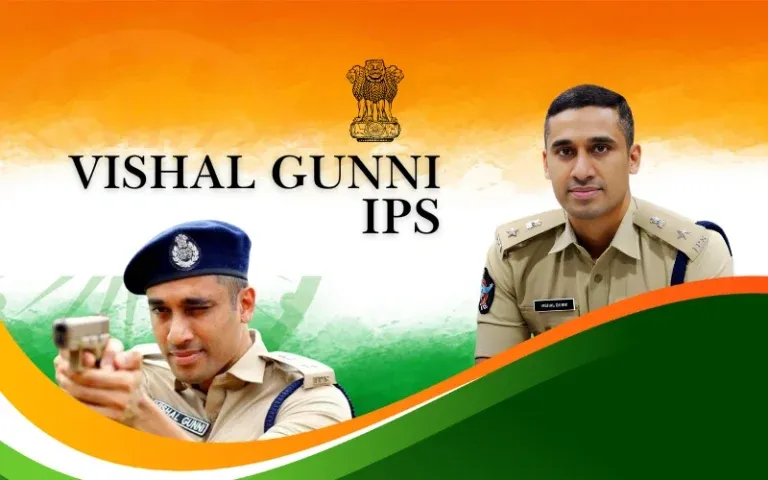
The Indian Police Service offers a wide professional path involving law enforcement, public administration, security, investigation, and police leadership. officersdetails.com provides readers with useful information about IPS officers, including their ranks, postings, career responsibilities, training, achievements, and professional development.
A Broad Police Career
An IPS officer can experience several different types of assignments throughout a career.
The first years may include field responsibilities where officers learn about local policing, public order, investigation, personnel management, and administration.
Later positions can involve larger teams, specialized departments, headquarters responsibilities, security assignments, or broader organizational planning.
There is no single daily routine that describes every IPS officer.
Responsibilities depend on the posting, rank, department, location, and current administrative requirements.
Some officers may spend more time managing field operations, while others may focus on policy, training, intelligence, investigation, or administration.
This variety makes the IPS both demanding and professionally diverse.
Entering The IPS Service
Candidates generally enter the IPS through the Civil Services Examination conducted by the Union Public Service Commission.
The examination process includes stages that candidates must complete according to the rules applicable to that examination year.
The preliminary examination serves as an initial screening stage.
Candidates who qualify can move forward to the main examination and personality test as prescribed.
Service allocation depends on several considerations.
Merit, service preferences, vacancies, category provisions, medical standards, and applicable government rules can influence the final allocation.
Aspirants should therefore rely on the latest official notification when checking eligibility and selection requirements.
Learning Through Training
Training provides selected officers with an introduction to police work and leadership responsibilities.
Subjects can include law, investigation, public order, administration, communication, leadership, technology, physical fitness, and police procedures.
Practical training can help officers understand how decisions work in real situations.
Police operations often involve changing circumstances and multiple people.
An officer may need to supervise personnel while coordinating with other authorities and responding to public concerns.
Training also emphasizes professional discipline.
The exact training schedule and structure can change, so specific details should be checked through current official information.
A Rank Is Not Everything
Police ranks help organize authority within the police structure.
IPS officers may serve in roles associated with Assistant Superintendent of Police, Superintendent of Police, Deputy Inspector General, Inspector General, Additional Director General, and Director General.
However, rank alone does not explain an officer’s complete professional role.
An officer with a senior rank may work in administration, intelligence, security, investigation, training, or another specialized area.
Another officer at a similar level may have extensive field responsibilities.
This is why officer profiles should mention both rank and assignment.
The combination provides a clearer understanding of professional responsibility.
Managing Local Police Work
District-level assignments can provide direct experience with local law enforcement.
Depending on the position, an officer may supervise police stations, review important cases, monitor crime trends, plan public order arrangements, and coordinate emergency responses.
Personnel management can also become an important part of the role.
Police teams require regular supervision and clear communication.
Officers may also coordinate with district administration and other government departments.
Local conditions influence policing priorities.
Administrative responsibilities continue alongside operational work, which can make district assignments particularly demanding.
Preparing For Large Gatherings
Public gatherings can require detailed police planning.
Festivals, demonstrations, political programs, sporting events, public meetings, and celebrations may bring large numbers of people into one area.
Police departments may prepare arrangements involving personnel, traffic, communication, emergency access, and coordination with other authorities.
Risk assessment can help identify possible concerns before an event begins.
However, circumstances can change quickly.
Police teams must remain flexible when new information becomes available.
Senior officers may monitor operations and adjust arrangements according to developing conditions.
Good preparation helps different police units work toward the same objective.
Reviewing Serious Investigations
IPS officers can supervise important investigations depending on their current responsibilities.
Serious cases may require cooperation between investigators, forensic specialists, technical teams, and other departments.
Information can come from witnesses, documents, physical evidence, financial records, forensic reports, and digital sources.
The investigative approach depends on the circumstances of each case.
Digital evidence has become increasingly important in many modern investigations.
Cybercrime teams may provide specialized support when technical is required.
Senior officers can monitor progress and coordinate resources while ensuring that investigation teams follow applicable procedures.
Modern Technology In Policing
Technology has become an important part of police administration and investigation.
Digital records, communication systems, crime analysis tools, forensic technology, and information databases can support police work.
These systems can help organizations manage large quantities of information.
At the same time, criminals can misuse technology.
Online scams, financial fraud, identity misuse, and cyber offenses require specialized knowledge and investigative methods.
Police departments may therefore rely on technical teams for specific tasks.
IPS officers can play a coordination role by supervising these resources and understanding how technical work supports broader policing objectives.
Specialized Areas Of Service
IPS officers may receive opportunities to work in specialized police functions.
These can include intelligence, security, investigation, training, administration, cyber-related work, and other specialized areas.
Some officers may also receive assignments with central government organizations through applicable service arrangements.
Such postings can provide different professional experiences.
A security assignment can involve planning and coordination, while a training role may focus on personnel development.
Career opportunities depend on vacancies, eligibility, service rules, and administrative decisions.
Because of these factors, individual IPS career paths can vary considerably.
Leading Police Organizations
Senior police leadership involves managing people as well as operations.
Officers may supervise large teams and coordinate several departments or units.
Responsibilities can include setting priorities, assigning duties, reviewing performance, managing resources, and addressing organizational concerns.
During emergencies, clear instructions can help teams respond more effectively.
Senior officers also need to consider the legal and administrative consequences of important decisions.
Leadership therefore includes accountability.
Formal authority comes with the responsibility to use that authority carefully.
Professional credibility develops through consistent conduct and responsible decision-making over time.
Public Communication Has Value
Police officers communicate with citizens in many different situations.
People may report crimes, ask for assistance, raise safety concerns, or provide information related to investigations.
Some interactions can happen during stressful circumstances.
Listening carefully can help officers understand the actual issue.
Clear explanations can also help citizens understand procedures.
Not every complaint can result in the outcome expected by the complainant.
Professional communication still matters because people deserve to understand how their concerns are being handled.
Respectful interaction can contribute to greater public confidence.
Career Progression Takes Experience
IPS careers can develop through several postings and changing levels of responsibility.
Field assignments provide practical experience with local policing and public interaction.
Specialized assignments can introduce officers to investigation, intelligence, security, technology, or training.
Administrative positions can strengthen organizational and planning abilities.
Senior positions generally involve wider supervision and larger responsibilities.
Promotions follow applicable service rules and administrative processes.
Professional growth should therefore be viewed as a combination of experience, training, leadership, responsibility, and changing assignments.
Discipline Supports Police Work
Police teams depend on discipline because personnel often work under pressure.
Clear reporting structures help establish responsibility and communication channels.
Personnel are expected to follow lawful instructions and established procedures.
Professional discipline includes proper documentation, punctuality, conduct, communication, and responsible handling of police authority.
Senior officers help maintain these standards within their organizations.
Discipline can become especially important during emergencies when several units must coordinate quickly.
At the same time, officers need practical judgment when situations do not match standard procedures.
Strong policing requires both discipline and adaptability.
Physical And Mental Preparedness
Physical fitness supports officers who may face demanding field responsibilities.
Training can improve endurance, strength, coordination, and general readiness.
IPS officers also perform substantial administrative and intellectual work.
They may review reports, attend meetings, supervise personnel, plan operations, and make important decisions.
Mental alertness is therefore an important part of professional readiness.
Police schedules can also become unpredictable when emergencies occur.
Maintaining fitness and professional discipline can help officers manage changing workloads.
Women In IPS Leadership
Women IPS officers work across a wide range of police responsibilities.
Their assignments may include district policing, investigation, intelligence, security, administration, training, and specialized departments.
The exact responsibilities depend on their posting.
Women officers also contribute to broader representation within police leadership.
Police organizations require trained personnel and appropriate procedures for cases involving women and children.
Such matters require cooperation across different police units.
Professional development remains connected with experience, performance, training, leadership, and applicable service procedures.
Building Community Confidence
Police work often depends on communication with local communities.
Officers may interact with residents, schools, businesses, community organizations, and local representatives.
These interactions can help identify recurring safety concerns.
Police awareness programs may also cover cybercrime prevention, traffic safety, emergency procedures, and other public safety issues.
Trust usually develops through repeated professional interactions.
Citizens may be more willing to communicate when they believe their concerns are being handled responsibly.
Community engagement cannot replace police investigation or enforcement.
It can, however, improve communication and cooperation between police and citizens.
Keeping Knowledge Current
Police work continues to evolve.
Technology, financial systems, communication platforms, and criminal methods can change the nature of law enforcement.
Officers may need to understand cybercrime, digital evidence, online fraud, financial offenses, and other modern challenges.
Continuous learning can help police leaders supervise teams more effectively.
Specialized departments can provide technical expertise when required.
Senior officers also need awareness of changing challenges even when specialist teams handle the technical work.
Professional development therefore continues throughout an IPS career.
Accountability And Authority
Police officers exercise powers that can significantly affect citizens.
Responsible use of authority is therefore an important part of professional policing.
Officers need to understand applicable laws and follow proper procedures.
Documentation and supervision can support accountability.
Senior officers also have responsibilities toward personnel working under their command.
Accountability should work alongside effective leadership rather than being treated as a separate concept.
A professional police system requires both authority and responsibility.
Researching Officer Information
IPS officer profiles can be useful for students, researchers, civil service aspirants, and general readers.
Commonly searched information includes education, service background, rank, postings, responsibilities, and professional achievements.
Current appointments should be verified because government transfers and promotions can change an officer’s position.
Previous postings can still be useful when clearly identified as historical information.
Profiles should focus on publicly relevant professional details.
Avoiding unsupported claims makes the information more trustworthy and useful.
Why Aspirants Study Officers
Civil service aspirants often study IPS careers to understand the profession beyond examination preparation.
Officer profiles can show how responsibilities may change throughout a career.
An IPS officer may work in district policing, investigation, security, intelligence, administration, training, or senior leadership.
The service also involves pressure, difficult decisions, irregular schedules, and substantial accountability.
Understanding both opportunities and challenges can help candidates form realistic expectations.
Official UPSC notifications should always be used for current examination rules and eligibility information.
Keeping Posting Details Accurate
Government assignments can change because of transfers, promotions, deputation, and administrative decisions.
A professional profile can therefore become outdated if it is not reviewed regularly.
Readers should check publication dates when looking for an officer’s current role.
Previous assignments remain useful for understanding career history.
However, historical information should not be presented as current information without verification.
Separating past and present postings makes officer profiles much clearer.
Writing Better IPS Profiles
A useful profile should provide factual information in a straightforward manner.
Relevant details can include publicly documented education, service background, ranks, postings, responsibilities, specialized assignments, and achievements.
Current information should be verified where possible.
Historical details should be identified with suitable context.
Unverified claims should be avoided because they can damage the credibility of the profile.
Professional information becomes more useful when it remains clear, factual, and properly organized.
The Bigger Police Framework
IPS officers operate within a wider government structure.
Their responsibilities can require coordination with district administration, courts, emergency services, local authorities, other police departments, and specialized agencies.
Large public safety matters often involve several organizations.
Senior officers may therefore spend substantial time coordinating people and departments.
This wider responsibility explains why planning and communication are important parts of senior police leadership.
Modern policing involves much more than responding to individual crimes.
It also involves prevention, administration, public safety planning, personnel management, and institutional coordination.
Final Thoughts On IPS Careers
An IPS career combines police leadership, public safety, administration, investigation, security, community interaction, and organizational management. The responsibilities of an officer can change substantially depending on rank, posting, department, location, experience, and government requirements.
Professional development begins with selection and training but continues through field experience, specialized assignments, leadership responsibilities, and continuous learning.
Information about individual IPS officers should remain carefully dated and verified because postings and professional responsibilities can change over time.
Visit the IPS Corner for informative officer profiles, career backgrounds, ranks, duties, postings, training, achievements, and practical information about India’s police service. For specific appointments or official service details, always verify information through reliable and current sources.
Read also :-