

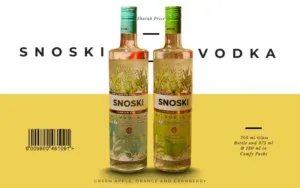
Vodka prices can vary quite a lot depending on the brand, bottle size, location, and applicable taxes. sharabprice.com provides readers with a useful place to explore general information about vodka prices, brands, bottle sizes, and factors that can affect retail costs. A bottle that looks reasonably priced in one city may cost considerably more somewhere else. This happens because alcohol pricing is influenced by state regulations, duties, distribution costs, retailer margins, and local market conditions. Brand positioning also makes a noticeable difference, since standard products and premium labels are usually priced for different customer groups. Bottle size matters as well because a larger bottle does not always have exactly the same price relationship as a smaller one. Buyers comparing prices should therefore look at the product name, quantity, alcohol strength, and location together. Checking current local information remains important because retail prices can change without much warning.
Brand Position Changes Pricing
The brand itself can have a major effect on the final retail price of vodka. Popular mainstream labels generally compete within a particular price segment, while premium and imported labels can sit much higher. The difference is not necessarily connected only with production costs. Branding, packaging, distribution, import expenses, and market positioning can all influence the amount charged to customers. Some products are designed for everyday consumption, while others are marketed as premium choices with distinctive bottles and broader brand recognition. Customers comparing two bottles should therefore avoid assuming that a higher price automatically means a proportionally different product. It is more useful to compare the bottle size, alcohol percentage, origin, and stated product category. Local taxes can further widen the gap between similar products. As a result, the same brand can appear at noticeably different prices across different markets.
Bottle Size Affects Final Cost
Bottle quantity is another important factor when comparing vodka prices. Smaller bottles generally have a higher price per unit of liquid because packaging and distribution costs are spread across less product. Larger bottles may offer a lower cost per unit, although the exact difference depends on the brand and local pricing structure. Common retail sizes can include smaller personal formats, standard bottles, and larger family or bulk-oriented formats where legally available. Customers should check the quantity printed on the label instead of comparing bottle prices alone. A cheaper-looking bottle may contain considerably less liquid than another product. Price-per-volume comparisons can provide a more useful picture when several sizes are available. Packaging can also influence pricing because different formats may involve different production and distribution expenses. These details become especially important when comparing products from multiple brands.
Taxes Create Major Differences
Alcohol taxation is one of the strongest reasons prices differ between Indian states and territories. Alcohol regulation and taxation are handled differently from many ordinary consumer products, so local policies can have a substantial impact on retail prices. A product with a similar manufacturer price can therefore reach consumers at different final prices depending on the market. Excise duties, applicable fees, distribution arrangements, and other local charges can influence the final amount. Retailers may also operate under different licensing and commercial conditions. Because these rules can change, old price information should not automatically be treated as current. Anyone researching vodka prices should check recent local listings or authorized retail information whenever possible. Comparing prices without considering the location can create a misleading impression. The same product name does not guarantee the same shelf price everywhere.
Imported Vodka Costs More
Imported vodka often carries additional expenses that locally produced products may not face to the same extent. Import duties, transportation, storage, distributor costs, and currency movements can all contribute to a higher final price. Packaging requirements and market positioning can add further differences. Some imported labels are also deliberately placed within the premium segment, which means the brand’s international reputation becomes part of the pricing strategy. Customers interested in imported products should check the country of origin and bottle size before comparing them with domestic alternatives. A direct comparison based only on bottle price may not provide much useful information. It is better to consider the complete product details. Availability can also affect pricing because products with limited distribution may not be stocked consistently. When supply is restricted, prices can differ significantly between retailers or locations.
Premium Labels Use Different Positioning
Premium vodka brands generally target a different section of the market than standard products. Their pricing can reflect branding, packaging, production methods, ingredients, filtration claims, origin, and distribution strategy. Some premium products emphasize a particular grain or other base ingredient, while others focus heavily on water sources, filtration, distillation methods, or heritage. These features may influence production costs, although consumers should not assume that every expensive bottle has a directly measurable advantage over a less expensive product. Taste preferences are subjective, and pricing is also affected by marketing. When comparing premium labels, customers can look beyond the bottle design and examine measurable information such as volume and alcohol strength. Product descriptions can provide additional context. This makes comparison more practical and reduces the chance of judging a product solely by its appearance or advertised image.
Standard Brands Remain Popular
Standard vodka products often appeal to customers looking for familiar brands at comparatively accessible prices. Their pricing can depend on local taxes, bottle size, distribution, and the brand’s position within the market. These products may be widely available through licensed retailers, which can make price comparison easier. Availability does not necessarily mean that the retail price will remain identical across locations. Local taxation and retailer conditions can still create differences. Customers comparing standard brands should check whether the bottles contain the same quantity and have similar alcohol strength. Comparing a smaller bottle with a larger bottle can produce a misleading result. Brand reputation can also influence pricing even when two products occupy similar general categories. For anyone researching the market, looking at several labels within the same price segment can provide a clearer understanding of available choices.
Alcohol Strength Also Matters
Alcohol percentage is an important product detail that should be checked when comparing vodka prices. Many standard vodkas are sold around common strength levels, but products can differ depending on the market and specific label. A bottle with a different alcohol percentage should not automatically be compared directly with another bottle based only on its retail price. The product label provides the relevant information about volume and alcohol content. These details are particularly useful when comparing products from different categories. Packaging size and alcohol strength together give a better basis for understanding what the customer is actually purchasing. Buyers should also remember that regulations surrounding alcohol labeling and retail sales can vary by location. Product information should therefore be read carefully rather than assumed from the brand name alone. A simple label check can prevent many unnecessary comparison mistakes.
Retail Location Changes Prices
Where a bottle is purchased can affect the final price considerably. Different licensed retailers may have different operating costs, stock levels, and commercial arrangements. In some markets, government-controlled retail systems can also influence how alcohol products are sold and priced. Location within a state can sometimes matter because distribution arrangements and availability may differ between urban and smaller markets. Customers researching prices online should check whether the information refers to a particular city, state, or retail system. A price shown for one location should not automatically be applied to another. Current availability is another consideration because a product may appear in an old price list while no longer being stocked. Checking recent information is therefore more reliable than depending on a single outdated listing. Price research works best when location and date are both considered.
Online Price Information Needs Checking
Internet searches can make price research easier, but online information should be treated carefully. Alcohol regulations differ by jurisdiction, and not every website provides current or locally applicable pricing. Some pages may contain old information that remains searchable long after prices have changed. Product names can also be confusing when several bottle sizes or variants exist under a similar label. Readers should check the publication date, location, bottle quantity, and product details before using an online figure for comparison. Official or authorized retail sources are generally more useful for current local pricing. Search results can still help identify brands and product variants, but they should not always be treated as final price confirmation. This is particularly important in markets where taxes and regulations change regularly. A little verification can make online price research much more accurate.
Packaging Influences Retail Value
Bottle design may appear like a small detail, but packaging can influence the overall price of a product. Premium labels often use heavier glass, distinctive shapes, special closures, or more elaborate presentation. These features can increase manufacturing and transportation expenses. Packaging also forms part of the brand’s market identity, especially for products positioned toward premium consumers. Standard brands generally use simpler designs that can support broader distribution and more accessible pricing. However, packaging alone should not be used to judge product quality. Two bottles can look very different while occupying similar market segments. Customers interested mainly in price can focus first on quantity, alcohol percentage, brand category, and local retail cost. Those interested in presentation may value packaging differently. Understanding this distinction helps explain why visually impressive bottles can sometimes carry a higher retail price without having a proportionally higher product cost.
Distribution Adds Extra Expense
Before a vodka bottle reaches a licensed retailer, it may pass through several stages of distribution. Transportation, storage, licensing requirements, handling, and regional distribution arrangements can all contribute to the final retail price. Imported products can face even longer supply chains. These costs may be relatively small for some products and more significant for others depending on distance and availability. Distribution can also affect how consistently a particular brand appears across different markets. A widely distributed label may be easier to find, while a less common imported product may have limited availability. Customers comparing prices should therefore consider whether two products have similar distribution conditions. A price difference does not always mean that the retailer is charging an unusually high margin. Several costs may already have been included before the bottle reaches the shelf.
Market Demand Can Influence Cost
Consumer demand can affect how products are positioned and distributed within a market. Popular brands may receive wider shelf space because retailers expect consistent demand. Limited-edition or premium products can occupy smaller market segments but command higher prices because of their positioning. Demand can also change depending on local preferences and availability. A brand that is widely recognized in one region may have a smaller customer base somewhere else. This can affect how retailers stock the product and how distributors manage supply. Seasonal periods may also influence purchasing patterns, although exact pricing effects vary by market. Customers should avoid assuming that popularity always means lower pricing. Strong demand can support stable retail presence, but premium branding can keep a popular product in a higher price segment. Market conditions are one part of a much larger pricing picture.
Price Comparison Requires Care
Comparing vodka prices becomes much easier when the products are matched properly. The first details to check are brand, bottle size, alcohol strength, product type, and location. If any of these factors differ, a simple price comparison may not be meaningful. A larger bottle can look expensive but provide more product overall. An imported bottle can cost more because of additional taxes and distribution expenses. A premium label may cost more because of branding and market positioning. Local taxation can create another difference even when the products are otherwise similar. Price-per-volume comparisons can help identify differences between bottle sizes, but they should still be considered alongside the actual product category. Taking a few minutes to check the label and location can make the comparison far more useful. It also prevents assumptions based purely on shelf appearance.
Prices Can Change Regularly
Alcohol prices are not necessarily permanent because government duties, regulations, distributor arrangements, and retail conditions can change. Annual policy changes can sometimes affect prices significantly in particular markets. Currency movements can also influence imported products. Transportation costs may change as well, especially when products travel long distances before reaching retail outlets. Because of these factors, a price listed several months ago may no longer be accurate. Readers researching vodka prices should pay attention to the date associated with any information they find. Current local sources are preferable when making purchasing or budgeting decisions. Historical prices can still be useful when studying market trends, but they should be labeled as historical information. Treating old figures as current can create unnecessary confusion.
Responsible Choices Matter Always
Alcohol products should always be handled and consumed responsibly according to applicable laws and health guidance. Legal purchase age, permitted sales hours, retail rules, and other requirements can vary between Indian states and territories. Customers should follow the rules applicable in their location and purchase only through authorized channels. Price information should never be treated as a substitute for checking local regulations. People who choose to consume alcohol should understand that drinking can affect judgment, coordination, and reaction time. Driving after drinking can create serious risks for the individual and other road users. Responsible decisions are therefore more important than finding the lowest possible price. Product research is useful, but it should remain connected with legal compliance and personal responsibility.
Conclusion On Vodka Price Research
Vodka pricing depends on much more than the name printed on a bottle. Brand positioning, bottle size, alcohol strength, taxes, distribution expenses, packaging, import costs, local demand, and retailer conditions can all influence the final amount. This is why customers may see noticeable differences between similar products or between the same brand sold in different locations. Anyone researching vodka prices should compare equivalent bottle sizes, check product details, consider the location, and verify whether the information is recent. Online price pages can provide useful background, but current authorized retail information is generally better for confirming local prices. Government regulations and alcohol duties can change, so older figures should be treated cautiously. Understanding these factors makes price comparisons more practical and helps readers avoid confusing one product category with another. For more information about vodka brands, price comparisons, bottle sizes, and related market details, continue exploring the relevant resources on sharabprice.com. Use current local information, follow applicable laws, and make informed and responsible decisions when evaluating alcohol products.
Read also :-
glenfiddich 15 years price hyderabad
rockford whisky price in tripura