

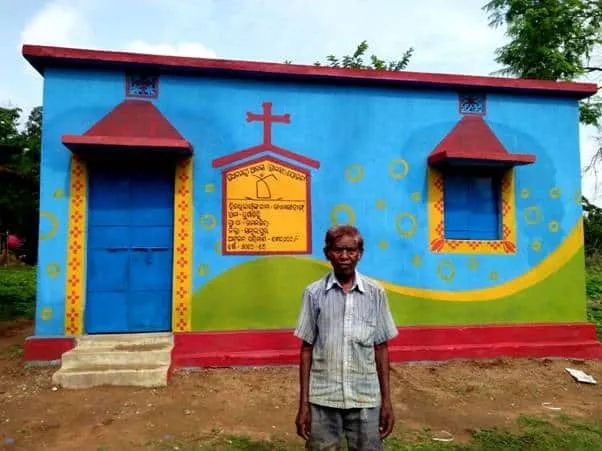
PM Awas Yojana Gramin is a landmark initiative by the Government of India aimed at providing affordable housing to rural citizens. The program ensures that underprivileged families in villages have access to safe, durable, and modern homes, improving their quality of life and fostering socio-economic development.
Rural India has long faced challenges in accessing affordable housing. Many families live in semi-permanent structures or huts that are vulnerable to natural disasters. The PM Awas Yojana Gramin addresses these challenges by providing financial assistance for constructing pucca houses, reducing the housing deficit in rural areas.
This initiative not only enhances living conditions but also promotes financial inclusion, dignity, and social empowerment among rural communities.
Objectives of PM Awas Yojana Gramin
The PM Awas Yojana Gramin focuses on providing “Housing for All” by enabling financially disadvantaged families to own safe and secure homes. The scheme aims to reduce rural housing inequality, prevent homelessness, and ensure that every household has access to basic amenities.
Another objective is to stimulate rural development through employment generation. Construction of houses under the scheme creates work for local laborers, artisans, and small-scale suppliers, fostering economic activity in villages.
By combining housing support with livelihood opportunities, the PM Awas Yojana Gramin contributes to comprehensive rural development and community well-being.
Eligibility Criteria for PM Awas Yojana Gramin
The PM Awas Yojana Gramin is designed for rural households without pucca houses. Priority is given to women, marginalized groups, Scheduled Castes, Scheduled Tribes, and economically weaker sections.
Applicants need to provide identity proof, income details, and residence verification documents. Beneficiaries are selected based on socio-economic criteria, ensuring that the assistance reaches those who need it the most.
By targeting vulnerable families, the PM Awas Yojana Gramin ensures that financial support directly improves the living standards of underprivileged communities.
Financial Assistance and Features
Under the PM Awas Yojana Gramin, eligible families receive financial assistance to construct or upgrade homes. The amount varies based on location, type of house, and construction costs but generally covers a substantial portion of building expenses.
The scheme supports the construction of pucca houses with basic amenities, including sanitary facilities, electricity connections, and safe drinking water access. Some states also provide additional incentives for environmentally sustainable construction methods.
By providing comprehensive support, the PM Awas Yojana Gramin ensures that rural households receive durable, safe, and modern housing.
Implementation and Construction Process
The PM Awas Yojana Gramin follows a structured implementation process. Beneficiaries are registered with the local authorities, and construction plans are approved according to technical and safety standards.
Funds are directly transferred to the beneficiary’s bank account in phases, ensuring transparency and proper utilization. Local contractors and skilled laborers often carry out the construction, generating employment and supporting rural economies.
This systematic approach ensures that homes built under PM Awas Yojana Gramin meet quality standards and provide long-term security for rural families.
Real-Life Impact of PM Awas Yojana Gramin
The PM Awas Yojana Gramin has transformed the lives of millions of rural families. In Madhya Pradesh, a small family previously living in a mud hut now enjoys a safe and modern home, improving health, hygiene, and social status.
In Odisha, women beneficiaries reported enhanced confidence and economic stability as their families could focus on education, agriculture, and income-generating activities instead of worrying about shelter.
These real-life stories highlight the tangible benefits of the PM Awas Yojana Gramin, demonstrating how housing support fosters dignity, security, and social inclusion.
Promoting Women Empowerment
A key feature of PM Awas Yojana Gramin is prioritizing women as primary beneficiaries. Women-headed households receive direct financial transfers, ensuring that decision-making power rests with them.
By empowering women to manage construction funds and oversee housing projects, the scheme fosters financial independence, leadership, and self-confidence.
Women’s involvement in PM Awas Yojana Gramin strengthens families, encourages gender equality, and contributes to the overall socio-economic upliftment of rural communities.
Social and Community Benefits
The PM Awas Yojana Gramin extends benefits beyond individual households. Improved housing contributes to better sanitation, reduced health risks, and enhanced education outcomes for children.
Communities benefit from infrastructure development, local employment, and increased economic activity during construction. Villages with higher participation in the scheme often see improvements in living standards and social cohesion.
By combining housing, health, and employment benefits, the PM Awas Yojana Gramin promotes holistic rural development.
Awareness Campaigns and Outreach Programs
The government conducts awareness programs to ensure maximum participation in the PM Awas Yojana Gramin. Local authorities, NGOs, and community workers educate rural residents about eligibility criteria, application procedures, and benefits of the scheme.
Outreach campaigns also emphasize proper use of funds, adherence to construction guidelines, and sustainable building practices. This ensures that beneficiaries fully utilize the scheme and build homes that meet quality standards.
Through consistent awareness efforts, the PM Awas Yojana Gramin has reached even remote villages, extending the benefits of affordable housing to every eligible family.
Digital Integration and Monitoring
Digital tools play a significant role in the PM Awas Yojana Gramin. Applications, fund disbursements, and beneficiary tracking are managed through online portals, enhancing transparency and efficiency.
Beneficiaries can monitor fund transfers, construction progress, and scheme updates digitally, ensuring accountability and timely execution.
By leveraging technology, the PM Awas Yojana Gramin ensures seamless implementation, reduces corruption, and provides reliable data for policy planning and impact assessment.
Challenges and Government Measures
While PM Awas Yojana Gramin has been largely successful, challenges such as delays in fund transfer, land disputes, and construction quality issues remain.
The government addresses these by conducting regular inspections, digitizing records, and providing technical support to beneficiaries. Grievance redressal mechanisms are in place to resolve issues efficiently.
Proactive measures ensure that the PM Awas Yojana Gramin maintains high standards, transparency, and impact across rural India.
Future Prospects and Expansion
The future of PM Awas Yojana Gramin includes increasing coverage, introducing eco-friendly construction technologies, and integrating additional infrastructure support like solar power and rainwater harvesting.
The government plans to expand awareness campaigns and digital platforms to reach all eligible households, ensuring equitable access to housing assistance.
As the scheme evolves, PM Awas Yojana Gramin continues to transform rural India, empowering families with secure, modern, and affordable homes.
Read also: