

Millet-based recipes are gaining popularity among health-conscious individuals and families looking for wholesome alternatives to rice and wheat. These ancient grains are naturally gluten-free, rich in fiber, and packed with essential nutrients, making them ideal for balanced meals.
In today’s fast-paced lifestyle, incorporating millet-based recipes into daily cooking offers an easy way to boost nutrition without compromising taste. From breakfast porridges to hearty dinners, millets can be adapted to a variety of flavors and cuisines, making them an exciting addition to any kitchen.
Why Choose Millet-Based Recipes
The benefits of millet-based recipes extend beyond their nutritional profile. Millets are low in glycemic index, which helps regulate blood sugar, and they are rich in magnesium, iron, and antioxidants. These attributes make millets suitable for people with diabetes, those aiming for weight management, and anyone seeking heart-healthy meals.
Home cooks find that millet-based recipes are versatile, suitable for both savory and sweet dishes, and easily combined with vegetables, legumes, and proteins. Real-life experiences show that families who gradually replace rice or refined grains with millets notice better satiety, improved digestion, and sustained energy levels.
Easy-to-Make Millet-Based Recipes
Starting with simple dishes is ideal for anyone exploring millet-based recipes. Breakfast porridge, upma, millet khichdi, and simple salads allow beginners to enjoy millet’s health benefits without complicated preparation.
For instance, a warm bowl of foxtail millet porridge with nuts and fruits provides protein, fiber, and essential nutrients in a comforting breakfast. People trying these recipes for the first time often appreciate how easy it is to integrate millets into their daily routine.
Breakfast Ideas Using Millet-Based Recipes
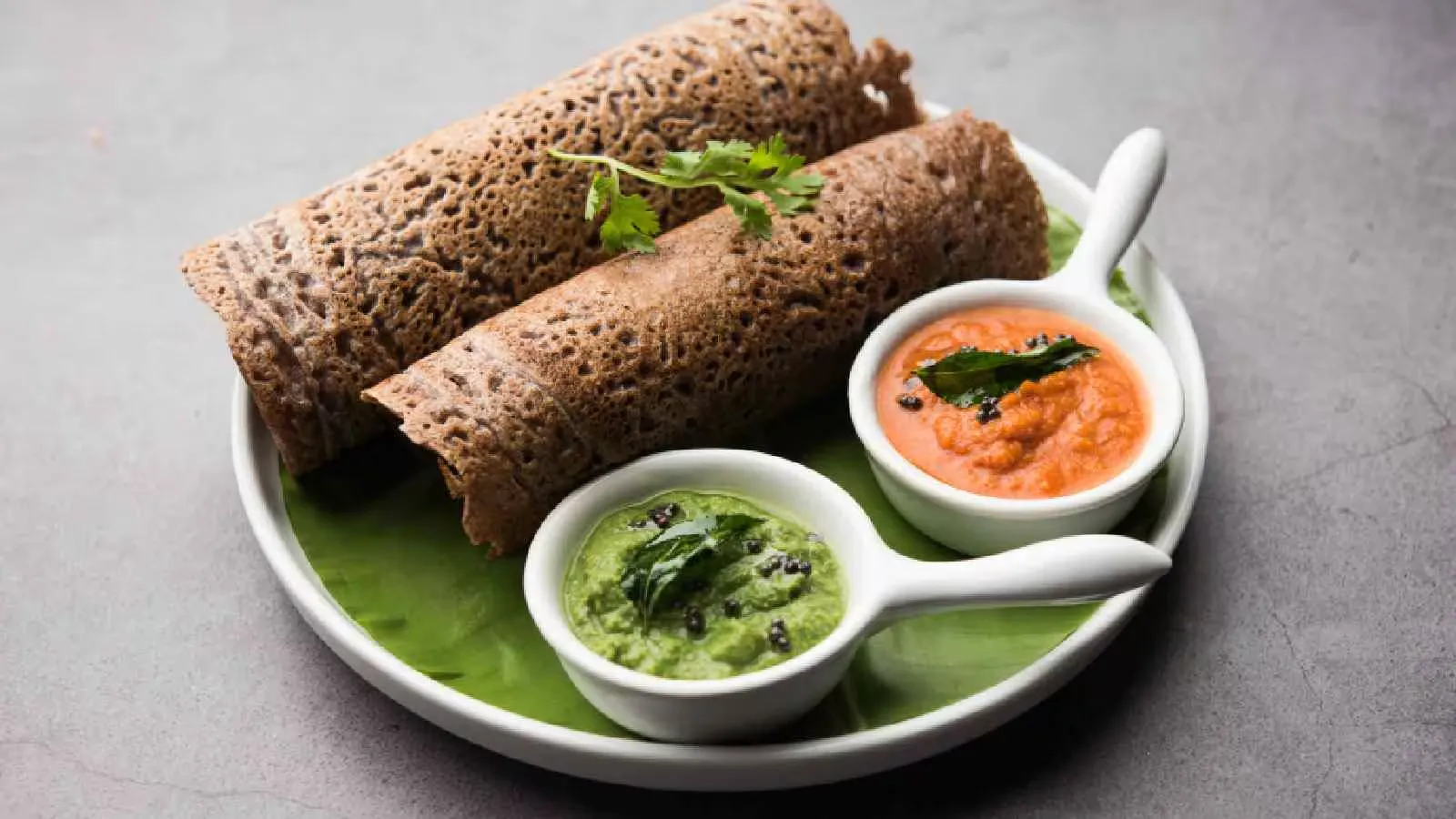
Breakfast can be transformed with millet-based recipes. Millet dosas, ragi pancakes, and bajra porridge offer high fiber, protein, and minerals to start the day. These recipes are naturally filling, which helps prevent mid-morning snacking and supports a balanced diet.
Using fermented batters, nuts, and seeds enhances flavor while retaining nutritional value. Home cooks report that these breakfast options are not only healthy but also appealing to children, making them ideal for family meals.
Lunch and Dinner Millet-Based Recipes
Main meals are easily enriched with millet-based recipes. Millet khichdi, vegetable pulao, millet-stuffed parathas, and savory casseroles provide satisfying alternatives to traditional rice and wheat-based meals.
Cooking millets with aromatic spices, sautéed vegetables, and legumes creates dishes full of flavor while keeping calories in check. Families who experiment with these meals often discover that their taste preferences adjust over time, making millets a staple rather than an occasional choice.
Combining Millets with Vegetables and Proteins
Incorporating vegetables, legumes, and proteins in millet-based recipes boosts nutritional content. Foxtail millet with mixed vegetables, pearl millet with lentils, or finger millet khichdi with paneer ensures that meals are balanced, rich in protein, and full of fiber.
Real-life examples show that combining grains with proteins helps maintain energy levels throughout the day and improves digestive health. These combinations are also ideal for people seeking to manage weight or improve overall wellness.
Sweet and Dessert Options
Millets can also shine in sweet dishes. Millet-based recipes for desserts include ragi laddoos, kodo millet kheer, and pearl millet halwa. These recipes replace refined flours and sugars with wholesome grains and natural sweeteners, creating nutrient-dense treats.
Families often report that introducing millet-based desserts during festivals or celebrations provides healthier alternatives without sacrificing taste, helping to build sustainable healthy eating habits.
International Fusion with Millet-Based Recipes
Millets are adaptable to international cuisines. Millet-based recipes can include millet risotto, millet salads with Mediterranean flavors, or stir-fried millet bowls with Asian-inspired sauces.
Experimenting with fusion recipes encourages creativity in the kitchen, making healthy eating exciting. Home cooks share stories of successfully combining Indian spices with millet grains in Western-style recipes, providing flavorful meals for the whole family.
Cooking Techniques for Millet-Based Recipes
Cooking techniques influence texture and flavor in millet-based recipes. Soaking millets before cooking reduces cooking time and improves digestibility, while steaming, boiling, or lightly roasting enhances flavor.
Using non-stick cookware or pressure cooking ensures even cooking without adding excess oil or fat. Personal experiences show that experimenting with spices, aromatics, and cooking methods elevates millet dishes, making them comparable to traditional meals in taste and appeal.
Nutritional Benefits of Millet-Based Recipes
Regularly consuming millet-based recipes offers numerous health benefits. Millets are rich in fiber, which promotes digestion and satiety. They also provide essential minerals such as magnesium, calcium, and iron, supporting bone and cardiovascular health.
The low glycemic index of millets helps stabilize blood sugar, making these recipes suitable for people with diabetes or those monitoring carb intake. Individuals who switch to millet-based meals report improved energy levels, better digestion, and enhanced overall wellness.
Meal Prep and Planning with Millets
Meal prep simplifies the integration of millet-based recipes into busy schedules. Cooking a batch of millet grains, chopping vegetables, and preparing spice mixes in advance allows for quick assembly of nutritious meals.
Families and professionals find that having ready-to-use ingredients makes weekday meals stress-free. This practice ensures consistent consumption of healthy, fiber-rich, and protein-enhanced dishes throughout the week.
Sustainability and Budget-Friendly Options
Millets are sustainable grains that require less water and fewer resources than rice and wheat. Focusing on seasonal vegetables and locally sourced ingredients makes millet-based recipes eco-friendly and cost-effective.
Home cooks report that switching to millets not only benefits personal health but also aligns with sustainable food practices. Preparing meals with minimal processing and fresh ingredients reduces environmental impact while promoting wholesome eating.
Making Millet-Based Recipes a Lifestyle
Adopting millet-based recipes consistently requires creativity, experimentation, and gradual incorporation. By exploring different grains, cooking methods, and flavor combinations, home cooks can create meals that are nutritious, delicious, and satisfying.
Families, wellness enthusiasts, and individuals aiming for healthy diets find that integrating millet-based dishes into daily routines supports better health outcomes, sustainable eating, and enjoyable meals. Over time, millets become a staple rather than an alternative, transforming the way households approach nutrition.
Read also:
bastian at the top menu
taffeta coffee
bastian, worli menu
oia menu with price