

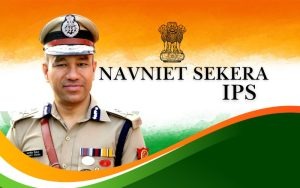
The Indian Police Service remains one of India’s important civil services today. officersdetails.com can help readers explore information about officers, public administration, careers, responsibilities, and service-related topics. IPS officers work across different levels of policing and administration, depending on their posting, experience, and assigned responsibilities. Their duties can involve maintaining public order, supervising police teams, investigating serious matters, coordinating security arrangements, and supporting effective administration. The exact work can change considerably from one posting to another. A newly appointed officer may spend substantial time learning field operations and managing local responsibilities, while a senior officer may supervise larger units or work in policy-oriented positions. The service therefore requires adaptability because officers may move between districts, departments, specialized units, and administrative assignments during their careers. Communication skills matter because police leadership involves interaction with colleagues, government officials, citizens, and other institutions. Decision-making also becomes important when situations develop quickly and available information remains incomplete. Officers need to understand laws, procedures, departmental rules, and administrative responsibilities before taking significant decisions. Physical fitness can support field duties, although modern policing also depends heavily on technology, documentation, analysis, and coordination. Public trust remains another important part of police work because effective law enforcement depends on cooperation between institutions and communities. Understanding the different responsibilities associated with the IPS gives readers a clearer picture of what the service actually involves beyond its well-known public image.
Understanding The IPS Service
The Indian Police Service is an All India Service that provides leadership positions within the country’s policing and public security system. Officers can serve under state governments and may also receive assignments connected with the Union Government or specialized organizations. Their career paths are therefore broader than a single local police station or district assignment. An officer’s responsibilities depend on rank, posting, experience, and the nature of the organization where the officer works. Field postings can involve direct supervision of police operations, public order arrangements, investigations, and local administrative coordination. Other positions can involve training, intelligence, traffic management, security, personnel administration, communications, or specialized investigations. Officers need to understand how different parts of the policing system work together because major situations rarely involve only one department or unit. Coordination with district administration can also become important during emergencies, large public gatherings, disasters, or other demanding situations. Documentation is another major part of professional police work because decisions and actions often require proper records. Officers must therefore balance field responsibilities with administrative duties that may seem less visible but remain essential. The service can involve transfers and changing assignments, which means officers must adapt to new teams and different operational environments. A successful career does not depend on one particular type of posting. Instead, officers gradually develop experience across different responsibilities and learn how to manage increasingly complex situations. This broad exposure is one reason the IPS remains an important part of India’s administrative and policing framework.
Key Duties In Field Postings
Field postings provide officers with direct exposure to the practical challenges of policing and public administration. Depending on the position, an officer may supervise police personnel, review law enforcement activities, coordinate responses, and monitor important local issues. Maintaining public order can become a major responsibility during festivals, elections, demonstrations, large gatherings, sporting events, or other situations requiring additional planning. Officers may also coordinate with district officials and other agencies when an issue affects several administrative departments. Investigation-related supervision can involve reviewing case progress, ensuring procedures are followed, and identifying areas where additional resources may be needed. Officers do not personally perform every task because policing involves teams with different ranks and responsibilities. Leadership therefore becomes important when assigning duties and ensuring that personnel understand operational expectations. Field officers also need to respond appropriately when information changes quickly during an incident. Decisions may need to be made with limited time, which makes preparation and situational awareness particularly valuable. Public interaction can form another part of the role because officers may meet community representatives, local organizations, government officials, and ordinary citizens. Listening carefully can help officers understand concerns that may not appear through formal reports alone. Administrative work continues alongside field responsibilities because police units require staffing, records, planning, logistics, and resource management. The combination can make field postings demanding because officers must move between immediate operational issues and longer-term administrative requirements. Experience in these assignments can provide an important foundation for later leadership positions.
Leadership Within Police Teams
Police leadership involves more than giving instructions because effective teams require communication, discipline, coordination, and accountability. Officers may supervise personnel with different levels of experience, training, and responsibilities. Clear instructions can reduce confusion when several people are working on the same operational task. At the same time, officers need to listen to information coming from personnel working directly in the field. Frontline staff may notice practical details that are not immediately visible from administrative reports. Good leadership therefore involves receiving information as well as providing direction. Officers also need to understand departmental procedures when handling personnel matters, assignments, performance concerns, and operational planning. Fairness can support team confidence because staff members need to believe that responsibilities and expectations are being handled consistently. Training remains important because policing methods, technology, laws, and communication systems can change over time. Senior officers may therefore support professional development by identifying training needs and encouraging personnel to maintain relevant skills. Team morale can also influence operational effectiveness during demanding periods. Officers may need to manage fatigue, workload distribution, and communication problems within their units. Leadership becomes especially important during prolonged situations where pressure can remain high for many hours. A strong command structure helps personnel understand who is responsible for specific decisions and tasks. Officers should also recognize that authority carries accountability because significant decisions can have consequences for both individuals and institutions. Effective leadership combines operational awareness with administrative discipline. This balance helps police organizations function more consistently across routine duties and difficult situations.
Technology Changing Police Work
Modern policing increasingly depends on technology for communication, information management, documentation, analysis, and operational coordination. Digital systems can help police departments maintain records and access information more efficiently when appropriate systems and procedures are available. Communication technologies can also improve coordination between units operating in different locations. Surveillance and other technological tools may support specific policing functions when used according to applicable laws, policies, and safeguards. Data analysis can help departments identify patterns and allocate resources more effectively. Technology does not replace professional judgment because information still needs to be interpreted correctly. Officers must understand both the capabilities and limitations of digital tools before relying on their outputs. Cyber-related issues have also created new responsibilities for law enforcement because criminal activity can involve online systems, digital communication, and electronic evidence. Training becomes essential when officers are expected to work with specialized technologies. Data protection is another important consideration because police organizations may handle sensitive information during their normal operations. Proper access controls and responsible information handling can reduce unnecessary risks. Documentation can become easier with digital systems, but accuracy remains important because incorrect records can create problems later. Technology also changes public expectations because citizens increasingly expect quick communication and accessible information. Officers need to adapt to these expectations while continuing to follow legal and administrative requirements. The future of policing will likely involve greater use of digital tools, analytical systems, and specialized technologies. Human judgment, however, remains central because technology provides information rather than replacing responsibility.
Importance Of Legal Knowledge
Legal knowledge forms an essential part of responsible police administration because officers must operate within established laws and procedures. Police decisions can affect individual rights, public safety, investigations, and institutional accountability. Officers therefore need to understand the legal framework relevant to their duties and remain aware of changes introduced through legislation, judicial decisions, rules, and departmental instructions. Legal understanding is not limited to memorizing sections of law. Officers must also understand how legal requirements apply during practical situations. Procedural mistakes can affect investigations and may create difficulties during later legal proceedings. Proper documentation and adherence to prescribed processes therefore remain important. Officers may work closely with legal authorities and other government departments when matters require specialized interpretation or coordination. Training can help officers stay familiar with important legal developments throughout their careers. Continuous learning becomes particularly relevant because laws and procedures can change as society and technology develop. Digital evidence, cyber-related offenses, privacy concerns, and new administrative requirements can create areas where older practices may not provide complete answers. Officers must also understand the distinction between lawful authority and personal discretion. Having authority does not mean that every possible action is appropriate in every circumstance. Professional judgment should operate within legal boundaries and established procedures. This approach protects citizens while also supporting officers and institutions through clearer decision-making standards. Legal knowledge can therefore be viewed as a practical working skill rather than simply an academic requirement. Officers who understand the rules governing their responsibilities are better positioned to make informed decisions and explain those decisions when required.
Managing Public Order Duties
Public order responsibilities can require extensive planning because large gatherings and sensitive situations may develop in unpredictable ways. Officers may need to assess available information, coordinate personnel, establish communication arrangements, and prepare responses for different possibilities. Festivals, elections, demonstrations, major public events, and emergency situations can require different approaches. The objective is not simply placing more personnel in one location. Effective planning involves understanding crowd movement, access routes, communication channels, available resources, and coordination with other departments. Officers may also need to communicate with event organizers or community representatives before an activity begins. Clear communication can sometimes reduce misunderstandings and allow potential concerns to be addressed earlier. During an incident, officers may need to make decisions while information continues to change. This requires situational awareness and disciplined communication among different teams. After an event, officers may review what happened and identify lessons for future planning. Documentation can help preserve important information about resources, decisions, and operational outcomes. Public order work can also involve balancing safety concerns with lawful public activity and established rights. Officers therefore need both operational preparation and an understanding of relevant legal responsibilities. The scale of the assignment can vary significantly depending on the location and nature of the event. A local gathering may require limited coordination, while major events can involve several agencies and large numbers of personnel. Experience helps officers recognize practical challenges before they become serious problems. Good planning does not guarantee that every situation will remain calm, but it can improve readiness and coordination.
Career Growth Through Experience
An IPS career develops through changing assignments that can expose officers to different forms of police administration and leadership. Early career postings can provide valuable field experience and help officers understand how police units operate at the ground level. Later assignments may involve larger teams, specialized departments, training institutions, policy work, or senior administrative responsibilities. Officers can gradually develop expertise in areas that match their experience and assigned roles. However, career progression is not simply about holding a higher rank. Each position can require different abilities and greater responsibility. Senior officers may need to think beyond individual incidents and consider organizational planning, staffing, budgets, training, technology, and long-term priorities. Communication becomes increasingly important because decisions may involve several departments and levels of government. Officers may also need to explain operational requirements to senior administrators while communicating practical directions to personnel. Professional development continues throughout the career because policing methods and public expectations change over time. Officers can benefit from training programs, specialized courses, field experience, and exposure to different administrative environments. Transfers can also broaden experience because different regions may present different operational and social conditions. Adaptability therefore becomes a useful professional quality. Officers should be prepared to learn unfamiliar systems rather than assuming that previous experience will answer every new challenge. Leadership maturity generally develops through repeated responsibility, reflection, and learning from both successful and difficult assignments. A long police career can therefore involve several distinct phases rather than one fixed type of work. Each assignment may contribute something different to an officer’s overall professional development.
Training And Professional Development
Training remains important throughout an IPS career because policing involves changing laws, technologies, operational methods, and administrative expectations. Initial training provides a foundation for professional responsibilities, leadership, physical readiness, legal understanding, and practical police work. Later training can focus on specialized areas depending on an officer’s assignment. Cyber-related investigations, forensic methods, traffic management, intelligence work, disaster response, communication systems, and leadership development can require different forms of expertise. Officers may also learn from practical experience because classroom instruction cannot reproduce every situation encountered in the field. Reviewing previous operations can help identify strengths and weaknesses in planning or coordination. Professional development should therefore continue after formal training programs are completed. Reading updated regulations and official instructions can help officers remain informed about changes affecting their duties. Technology training becomes increasingly useful as police organizations adopt new digital systems. Officers also need communication skills because they may have to brief teams, address officials, speak with communities, or explain operational decisions. Writing skills matter as well because police administration involves reports, correspondence, records, and formal documentation. Training can help officers become more comfortable with these responsibilities. Continuous learning also encourages officers to recognize areas where their existing knowledge may need improvement. No officer can reasonably expect to know everything about every specialized subject. Knowing when to seek expert assistance is itself a valuable professional skill. Good development combines formal instruction with field experience, reflection, reading, and practical feedback. This approach helps officers remain capable as their responsibilities become more complex.
Public Trust And Accountability
Public confidence can influence how effectively police organizations work because cooperation from communities often helps institutions understand and respond to local concerns. Officers interact with citizens in many different circumstances, including routine administrative matters and difficult public safety situations. Professional conduct during these interactions can influence how people perceive the police organization. Clear communication can reduce misunderstandings when officers explain procedures or responsibilities. Accountability is also important because police authority carries significant responsibility. Officers are expected to follow applicable laws, departmental procedures, and professional standards while performing their duties. Proper records can support accountability by creating a documented basis for reviewing important decisions. Complaints and concerns may also provide information about areas where procedures or communication need improvement. Handling such matters through established systems can strengthen institutional credibility. Public trust does not develop from one interaction alone. It can be influenced by repeated experiences involving fairness, responsiveness, professionalism, and transparency within lawful limits. Officers may also work with community groups to understand local concerns and improve communication. Community engagement should remain practical rather than becoming a purely symbolic activity. Listening to recurring concerns can help identify issues that require administrative attention. Technology can support communication, but digital channels should still be used responsibly and according to applicable rules. Accountability protects both the public and the institution because clear standards provide a basis for evaluating professional conduct. Trust is therefore not separate from effective policing. It can become an important part of cooperation between law enforcement institutions and the communities they serve.
Balancing Field And Administration
Police leadership requires a practical balance between immediate field responsibilities and the administrative work that keeps an organization functioning. Officers may spend part of their time responding to operational issues while also reviewing reports, personnel matters, resource requirements, and planning documents. Administrative duties can seem less visible than field work, but they directly influence how effectively police teams operate. Staffing decisions can affect workload, while equipment and communication resources can influence operational readiness. Officers therefore need to understand how administrative decisions translate into practical outcomes. Planning ahead can reduce pressure during future incidents because teams have clearer responsibilities and resources. At the same time, excessive paperwork without useful organization can consume time that could be spent on important operational priorities. Officers need systems that maintain necessary records while supporting efficient work. Delegation becomes important as responsibilities increase because senior officers cannot personally manage every operational detail. Trusting capable personnel while maintaining appropriate oversight allows larger teams to function more effectively. Communication between field teams and administrative offices also matters because decisions made without practical information may create avoidable difficulties. Officers can improve this balance through regular reviews, clear reporting systems, and realistic planning. Different postings may require different proportions of field and administrative work. Some assignments can be highly operational, while others may involve greater policy or organizational responsibility. Adaptability is therefore important throughout an IPS career. Officers who understand both sides of police administration can make more informed decisions because they can connect organizational planning with real operational needs.
Preparing For IPS Careers
People interested in an IPS career need to understand that the service requires preparation across several areas rather than focusing only on examination performance. The Union Public Service Commission conducts the Civil Services Examination through its established process, and candidates should rely on official information for current eligibility, stages, rules, and examination details. General preparation commonly involves building knowledge across relevant subjects while developing reading, writing, analytical, and decision-making abilities. Candidates should also understand the physical and medical standards applicable to the service and verify current requirements through authoritative sources. Preparation should be realistic because the examination process demands sustained effort over an extended period. Reading newspapers and reliable reference material can help candidates understand public administration, national issues, governance, law, society, and other relevant subjects. Writing practice matters because candidates need to communicate ideas clearly under examination conditions. Time management can become important when several subjects and preparation tasks compete for attention. Candidates should review previous examination papers and understand the structure of the current examination before creating a study plan. Mock tests can help identify areas where additional revision is required. Physical preparation may also be relevant for candidates targeting police service responsibilities, but candidates should follow current official standards rather than relying on outdated advice. Career expectations should remain realistic because IPS work can involve transfers, demanding schedules, administrative pressure, and significant responsibility. The service offers meaningful public responsibilities, but it is not simply a prestigious title. Candidates should understand the actual nature of police leadership before deciding whether this career suits their abilities and interests. Careful preparation begins with accurate information and continues through disciplined study, practical awareness, and consistent effort.
Conclusion
The Indian Police Service involves much more than the public image commonly associated with senior police officers because the career combines field operations, leadership, administration, legal knowledge, technology, public communication, training, and long-term organizational planning. Officers may work in district assignments, specialized units, training organizations, administrative positions, or other roles depending on their experience and posting. Field responsibilities can include supervising police teams, coordinating public order arrangements, reviewing investigations, managing resources, and working with other government departments during complex situations. Leadership requires clear communication, fair supervision, accountability, and the ability to make informed decisions while conditions continue changing. Modern technology has added new dimensions to policing through digital records, communication systems, analytical tools, and specialized capabilities, although professional judgment remains essential when interpreting information. Legal knowledge protects the quality of police decisions because officers must understand the rules and procedures governing their authority. Public trust also matters because cooperation between communities and police organizations can support more effective responses to local concerns. Training should continue throughout an officer’s career as laws, technologies, operational methods, and administrative expectations develop. For people considering the IPS as a career, preparation should involve accurate examination information, strong academic foundations, writing and analytical practice, realistic career awareness, and attention to current official requirements. Readers interested in officers, police careers, public administration, service responsibilities, and related information can continue exploring useful material through officersdetails.com. Understanding the actual responsibilities behind the title can help readers develop a more practical and balanced view of the IPS and the demanding professional role its officers perform.
Read also :-