

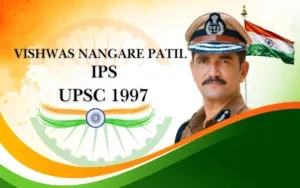
The Indian Police Service plays an important role in maintaining public safety and supporting the administration of law across India. officersdetails.com helps readers explore IPS officers, their career backgrounds, professional duties, and the responsibilities connected with senior police leadership. People often associate IPS officers with crime investigations, security arrangements, and major public events. Their actual work can also include staff management, departmental planning, training, public communication, and reviewing how police services operate. Responsibilities change according to an officer’s position, experience, and place of assignment. Some officers spend considerable time coordinating field operations, while others focus more on administrative decisions. Understanding these differences makes the profession easier to understand and provides a more realistic view of the work behind the uniform.
Understanding Police Administration
Police administration involves organizing people, resources, procedures, and operational responsibilities within a police organization. IPS officers in leadership positions may review departmental performance, supervise subordinate units, and make decisions about the use of available resources. Their work requires attention to practical details because small administrative problems can affect daily police operations. Staffing arrangements, equipment availability, communication systems, and training schedules all influence how effectively teams perform. Officers must also follow government rules and departmental procedures while managing competing priorities. Administrative decisions should be documented clearly so that responsibilities and outcomes can be reviewed later. Effective leadership does not mean personally handling every task. It means creating a system where personnel understand their duties and receive suitable guidance when difficult situations arise.
Exploring Recruitment Requirements
Candidates interested in becoming IPS officers generally enter through the Civil Services Examination conducted by the Union Public Service Commission. Eligibility conditions include educational qualifications, age requirements, and other standards specified in the official notification. The examination normally includes preliminary papers, the main examination, and a personality test. Final allocation depends on factors such as rank, preferences, available vacancies, and applicable rules. Meeting the minimum educational requirement alone does not guarantee selection. Candidates should check the current notification because eligibility conditions and examination instructions may change. Depending on unofficial websites for important dates can create avoidable problems during preparation. Reading the original instructions helps candidates understand the complete process and organize their efforts around accurate information.
Preparing With Practical Methods
Civil Services Examination preparation requires a reasonable balance between learning new information and revising previously studied subjects. Candidates often collect too many resources before understanding the actual syllabus. This can create confusion and leave insufficient time for practice. A better starting point is to identify the examination requirements and select a manageable set of reliable materials. Regular answer writing can improve clarity, structure, and time management during the main examination. Practice tests can also show which subjects require additional attention. Candidates should review mistakes instead of simply counting their scores and moving forward. A study plan needs enough flexibility to accommodate difficult topics and personal responsibilities. Consistent preparation over time is generally more useful than an unrealistic schedule that becomes impossible to maintain.
Learning From Professional Training
Professional training introduces selected candidates to the knowledge and practical skills required for police leadership. It can include classroom instruction, physical preparation, field exposure, legal studies, and operational exercises. Trainees learn about investigation procedures, public order, departmental management, and the importance of professional conduct. Practical activities help connect theoretical knowledge with the decisions officers may face during actual assignments. Teamwork is especially important because policing usually involves coordination between several people and units. Training also emphasizes discipline, communication, and the need to follow established procedures. Officers must continue learning after their initial training because laws, technology, and operational challenges change. Professional development remains a continuing responsibility throughout a career in public service.
Managing Police Teams Effectively
Police officers depend on coordinated teams to complete their responsibilities safely and efficiently. Senior officers may supervise personnel, assign duties, review reports, and identify gaps in training or equipment. Clear instructions help reduce confusion, particularly when multiple units are involved in one operation. Supervisors should also listen when personnel report practical problems that affect their work. Fair treatment and consistent standards can support discipline without creating unnecessary workplace tension. Performance reviews should focus on relevant responsibilities and follow applicable departmental procedures. Officers must also address misconduct through appropriate channels rather than ignoring concerns because of personal relationships. A capable leader understands that good results depend on both individual effort and the quality of the working system.
Planning Public Safety Operations
Public safety operations often require advance planning, especially when large gatherings or sensitive events are expected. Officers may assess the location, possible risks, available personnel, traffic arrangements, and communication requirements. They also need to coordinate with relevant departments when an event involves emergency services or local administration. Written plans help clarify who is responsible for particular tasks. Conditions can change quickly, so teams need a suitable process for communicating updates and responding to unexpected developments. Decisions should remain consistent with applicable law and the protection of public rights. After an operation, reviewing its strengths and weaknesses can improve future planning. Preparation cannot remove every risk, but it can reduce confusion and help teams respond in a more organized manner.
Supervising Fair Investigations
Investigation supervision involves checking whether cases are progressing properly and whether required procedures are being followed. Depending on their assignments, IPS officers may coordinate investigative resources or review cases requiring additional attention. Investigators must handle evidence carefully and document important steps accurately. Witness statements, electronic records, physical materials, and other evidence should be collected according to applicable legal requirements. Supervisory officers should identify delays and procedural weaknesses without encouraging unsupported conclusions. An investigation must remain focused on evidence rather than assumptions or public pressure. Accurate documentation supports accountability and may become important during later judicial review. Fair investigative practices help protect individual rights while supporting the proper enforcement of criminal law.
Strengthening Community Relationships
Community relationships can improve communication between police organizations and the people they serve. Residents may provide information about local concerns that formal reports do not fully explain. Police officers can use public meetings, awareness programmes, and appropriate communication channels to understand those concerns. Clear explanations about reporting procedures may also help people approach the police when assistance is needed. Officers should treat residents respectfully and apply the law without unfair discrimination. Complaints deserve attention through established procedures, even when the issue initially appears minor. Trust develops gradually through consistent conduct rather than occasional public events. Better communication can reduce misunderstandings and encourage cooperation on local safety concerns. Community engagement works best when officers listen carefully and follow up on issues within their authority.
Responding To Cybercrime Challenges
Cybercrime creates challenges that require both investigative knowledge and an understanding of digital technology. Cases may involve fraudulent transactions, identity misuse, account compromise, or unauthorized access to computer systems. Some investigations require support from specialized technical personnel and cooperation with other authorized organizations. Digital evidence must be collected, preserved, and examined according to applicable procedures. Officers also need to understand how online platforms and electronic payment systems operate. Public education can help people recognize suspicious messages and unexpected requests for money. People should avoid sharing verification codes and should check payment requests before transferring funds. Police organizations need suitable training and technical resources to respond to changing criminal methods. Effective cybercrime response combines investigation, legal compliance, specialist support, and clear public guidance.
Maintaining Professional Accountability
Police authority carries serious responsibilities because official decisions can affect individual freedoms and public confidence. Officers must follow the law, respect established procedures, and avoid using their positions for personal advantage. Accurate records help explain why important decisions were made and how responsibilities were carried out. Professional accountability also includes reporting relevant problems and cooperating with authorized oversight. If mistakes occur, they should be addressed through the appropriate process rather than concealed. Senior officers influence departmental culture through their behavior and expectations. Respectful treatment of the public should remain important during ordinary interactions as well as high-pressure situations. Ethical leadership requires consistent judgment and a willingness to accept responsibility for decisions. Public confidence depends partly on whether people believe the police are acting fairly and lawfully.
Understanding Different Officer Postings
IPS officers may work in different positions throughout their careers, depending on service requirements and applicable rules. Assignments can include district policing, specialized investigation, intelligence, training, state-level leadership, and eligible central deputation roles. Each position involves different expectations and requires officers to adjust their knowledge and working methods. Field assignments may involve direct supervision of operations, while senior administrative roles can include policy implementation and resource planning. Transfers may also expose officers to different regions, communities, and organizational challenges. Promotions and postings depend on official service rules, vacancies, seniority, and other relevant considerations. A designation alone does not explain every responsibility an officer performs. Readers should consult official department announcements when they need accurate information about an officer’s current role.
Using Reliable Officer Information
Researching IPS officers requires attention to accuracy because online information can become outdated quickly. An officer’s previous designation may remain on an older webpage even after a transfer or promotion. Names, service details, and appointment dates should be checked against reliable sources whenever possible. Official police websites, government notices, and authorized announcements are useful starting points. Candidates preparing for examinations should similarly confirm eligibility details and dates through official recruitment documents. When information differs between websites, checking publication dates and the authority responsible for the claim can help resolve confusion. Readers should avoid treating unverified social media posts as confirmed facts. Careful research helps prevent incorrect information from being repeated and gives readers a stronger basis for understanding public service careers.
Conclusion
The Indian Police Service combines law enforcement, administrative leadership, public safety planning, and responsibility toward the community. IPS officers may supervise teams, coordinate investigations, support public order, and help improve the daily functioning of police organizations. Their work requires professional training, legal knowledge, ethical judgment, and effective communication. Candidates interested in the service should understand the official recruitment process and prepare with a practical study routine. Readers researching individual officers should verify designations and career details through dependable sources. officersdetails.com offers a starting point for exploring officer-related information and learning more about the structure of police careers. Visit the website to continue your research and use verified information when learning about IPS officers and their public responsibilities.
Read also :-